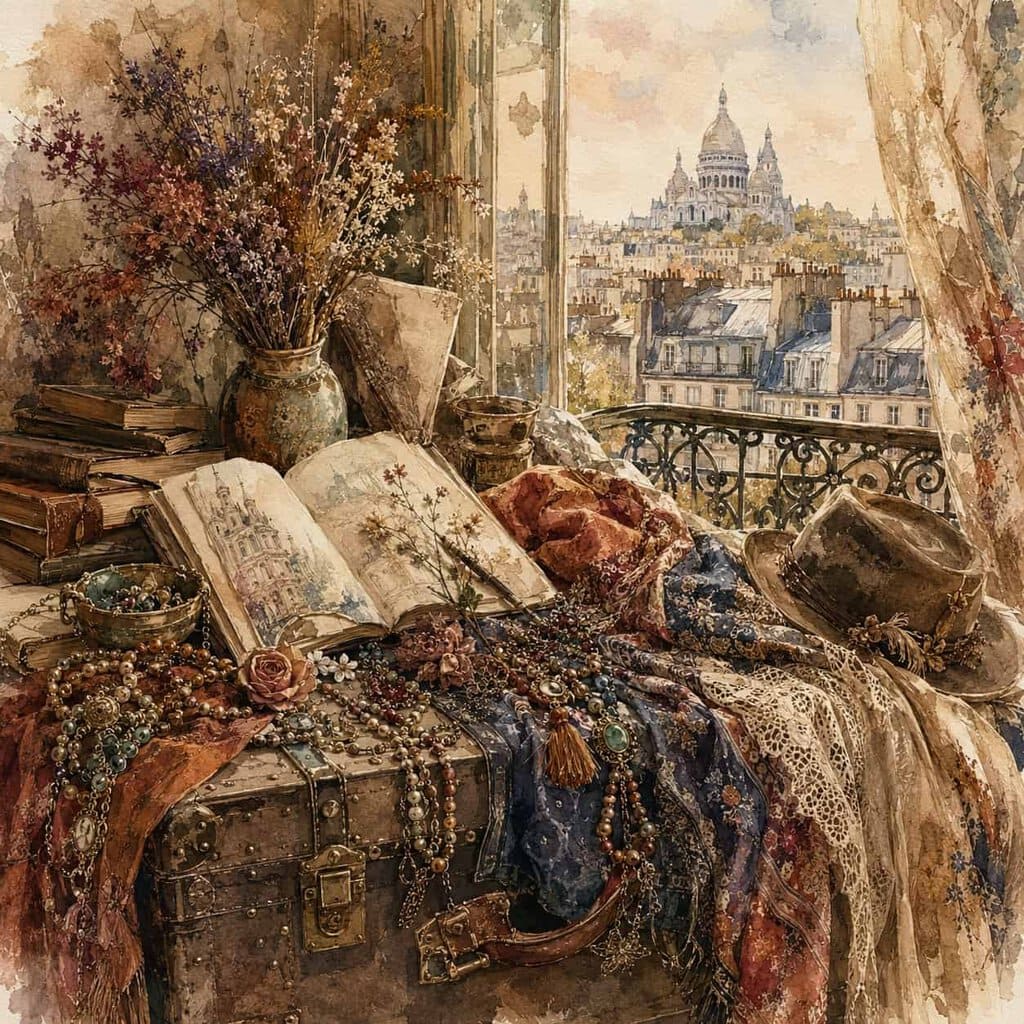
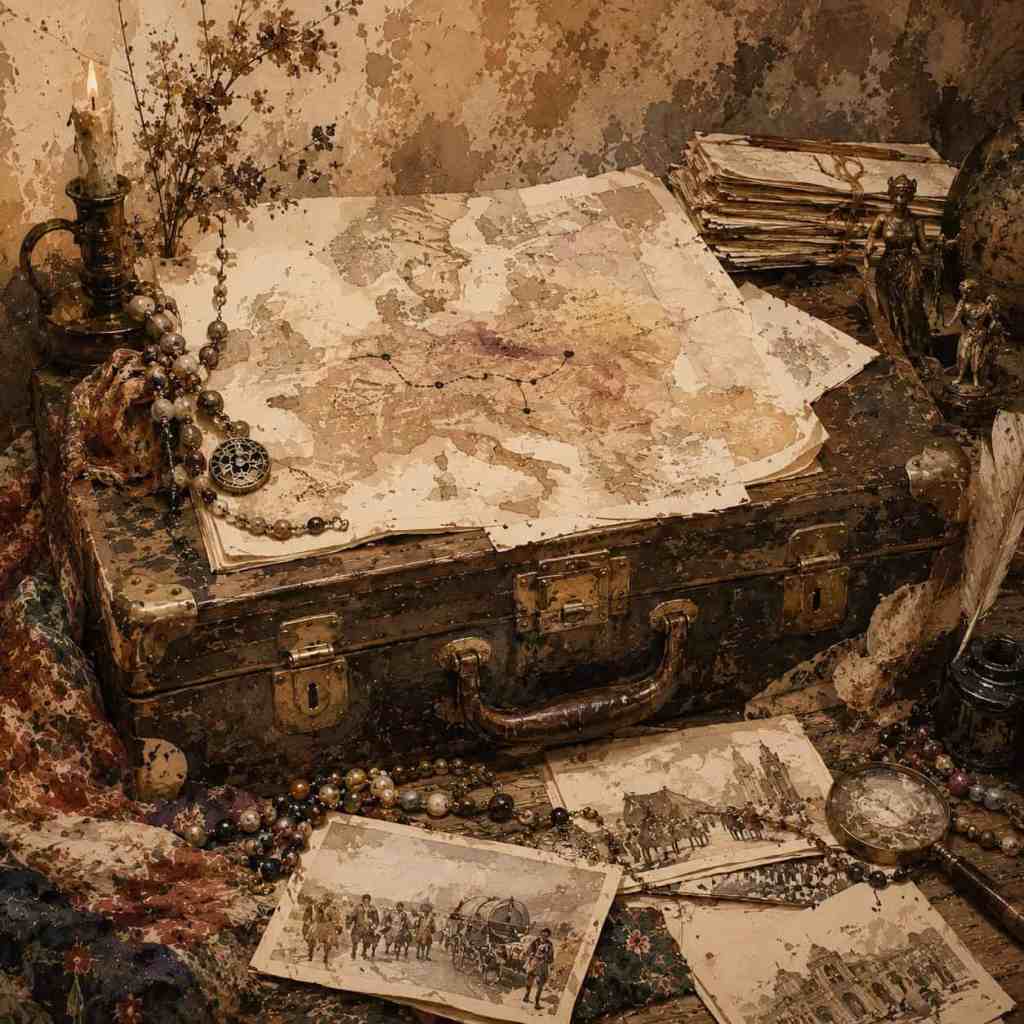
Bohoவுக்கு ஒரு பிறப்புச் சான்றிதழ் இல்லை. பல நூற்றாண்டுகளின் லேபிள்கள் ஒட்டிய பழைய பயணப்பெட்டி ஒன்று இருப்பதுபோல் தான்; அவற்றில் சில இன்னும் ஒட்டிக் கொண்டிருப்பது பிடிவாதத்தாலும் ஒரு வரலாற்றுத் தவறாலும். பாரிசிய போஹீமியா ஒரு லேபிளைச் சேர்த்தது; கலைஞர்களும் எதிர்கலாச்சாரமும் இன்னும் சிலவற்றைச் சேர்த்தன; பின்னர் ஹிப்பிகள், ஃபேஷன் வடிவமைப்பாளர்கள், விழாக்கள் வந்தன. சில தாக்கங்கள் இன்று beige moodboard-இல் pampas grass பக்கத்தில் தெரியும் அளவுக்கு ரொமான்டிக்கான பாதையில் வரவே இல்லை.
அதனால் boho வரலாறு ஏழை கவிஞரிலிருந்து flower children வழியாக rattan chair வரை செல்லும் நேர்கோடு அல்ல. இன்றைய boho பல வரலாற்று அடுக்குகள் சந்தித்து, பிரிந்து, மீண்டும் கண்டுபிடிக்கப்பட்டு, அதிக விலையில் விற்கப்பட்டு, சில நேரங்களில் அவை எப்போதுமே ஒரே குடும்பம் போல நடித்து உருவானது. 19ஆம் நூற்றாண்டின் பாரிசிய bohémien ஹிப்பி அல்ல; ஹிப்பி boho chic அல்ல; Sienna Miller காலை எழுந்தவுடன் Henry Murger தனது boots பற்றி என்ன நினைப்பார் என்று யோசித்திருக்க வாய்ப்பும் குறைவு.
ஆனால் அவற்றுக்கிடையே நூல்கள் ஓடுகின்றன. சில உண்மையானவை; சிலவற்றை நாம் பின்னாளில் கட்டியவை. மனிதர்களுக்கு அழகான family tree பிடிக்கும், fashion-க்கு ஒரு great-grandmother இருப்பது பயனுள்ளதாகும் தருணத்தில் அவளை உடனே கண்டுபிடிக்கும் திறமை இன்னும் அதிகம்.
Lola Tralala: “Career” என்பது சந்தேகமாக bourgeois என்று நினைத்துக் கொண்டே career செய்த ஒரே style Boho இருக்கலாம்.
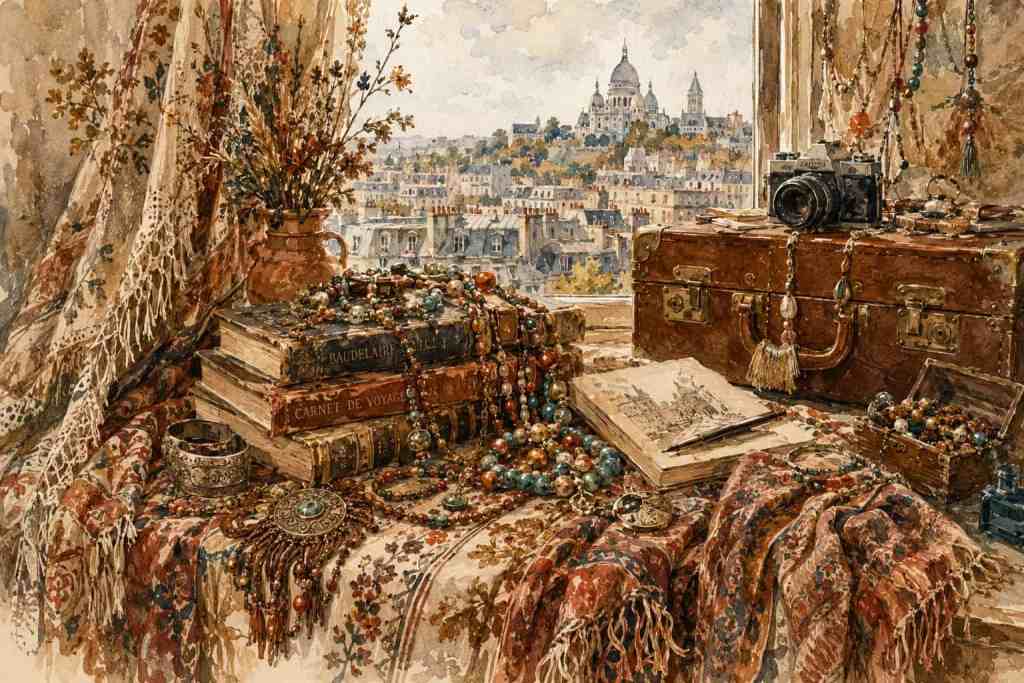
Bohemia இன்னும் Boho ஆகவில்லை — சொல்லுக்கே சிரமமான கடந்தகாலம் உண்டு
இன்று boho என்பது பெரும்பாலும் ஒரு aesthetic: loose silhouettes, layering, vintage, statement jewelry, craft, texture, பழையதும் புதிதுமான பொருட்களை ஒன்றாக வைப்பது; சில நேரம் festival mess, சில நேரம் “சாதாரணமாக போட்டது” போலத் தெரியும் blanket கூட மூன்று மணி meeting-க்கு பிறகே அங்கே போனது போல இருக்கும் interior. ஆனால் வரலாற்று bohemia ஒரு fashion style அல்ல; யாரும் “bohemian lifestyle starter pack” subscription வாங்கவில்லை.
அது ஒரு வாழ்க்கை முறை, ஒரு சமூகச் சூழல், பின்னர் bourgeois பாதுகாப்புகளுக்கு வெளியே வாழும் மனிதர்களின் கலாச்சாரப் படிமம்: கலைஞர்கள், எழுத்தாளர்கள், இசைக்கலைஞர்கள், மாணவர்கள் மற்றும் பலர். சிலர் கொள்கையால் convention-ஐ மறுத்தார்கள்; சிலருக்கு வாழ்க்கையே regular income, stable housing, neatly planned future மூன்றையும் ஒரே package-ஆக தர மறுத்தது.
ஆனால் bohémien என்ற French சொல் இன்னும் பழையதும் சிரமமானதுமான வரலாற்றைக் கொண்டது. பல நூற்றாண்டுகளாக அது Roma மக்களையும் அலைந்து வாழும் எனக் கருதப்பட்ட மற்ற குழுக்களையும் குறிக்கப் பயன்படுத்தப்பட்டது; அவர்கள் Bohemia-விலிருந்து வந்தார்கள் என்ற தவறான நம்பிக்கையுடன். Wandering, fortune-telling, instability, criminality போன்ற stereotypes அந்தச் சொல்லைச் சுற்றி படிந்தன. Europe ஒரே நேரத்தில் “rules இல்லாத free person” என்ற romantic image-ஐயும், அதே supposed rootlessness காரணமாக சந்தேகிக்கப்பட்டு ஒதுக்கப்பட்ட மனிதரையும் உருவாக்கியது.
இந்த வேறுபாடு மிகவும் முக்கியம். Roma மக்கள் modern boho style-ஐ உருவாக்கவில்லை. ஆனால் பின்னர் உருவான European “bohemian life” என்ற கற்பனை வெறுமையில் தோன்றியதுமில்லை; Roma சமூகங்கள் மீது majority society ஏற்கனவே கட்டிய stereotypes-இலிருந்து சில சொற்களையும் படிமங்களையும் அது எடுத்துக் கொண்டது. அதனால் gypsy style, gypsy boho, “gypsy soul” போன்றவை long skirt பிடித்தும் keys எங்கே வைத்தோம் என்று மறந்தும் இருக்கும் ஒருவருக்கான cute synonym அல்ல.
இதில் சங்கடமான historical irony ஒன்று இருக்கிறது. Europe முதலில் real people-ஐ “free wanderers” என்ற படிமமாகக் குறைத்து அதையே stigma-க்குப் பயன்படுத்தியது; பின்னர் அதே fantasy-யின் சில பகுதிகளைத் தனது கலைஞர்களுக்கான romantic costume ஆக கடன் வாங்கியது. History சில நேரம் நல்ல mess ஒன்றை உருவாக்கி, இருநூறு ஆண்டுகளுக்குப் பிறகு drawers-ஐ நம்மிடம் ஒழுங்குபடுத்த விட்டுச் செல்கிறது.
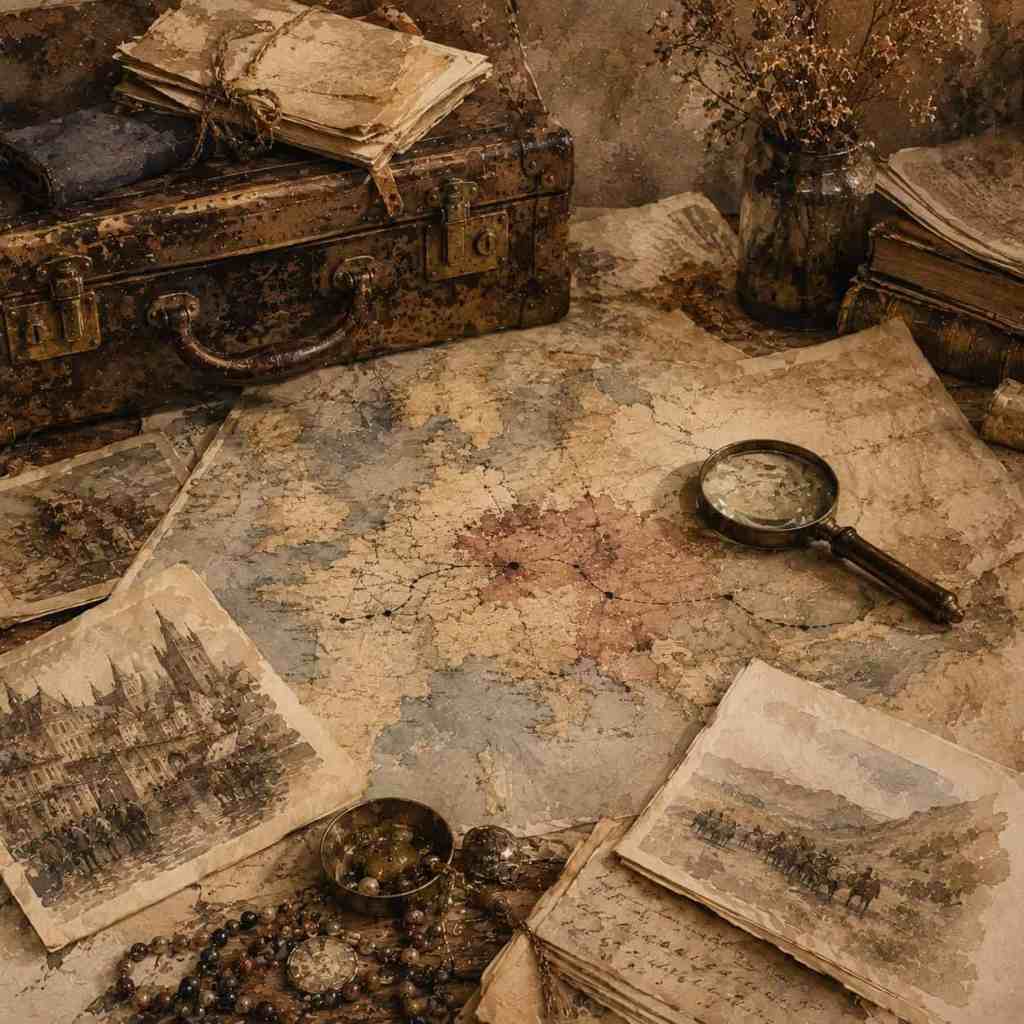
பாரிசிய போஹீமியா: rent bills-லிருந்து பிறந்த legend
19ஆம் நூற்றாண்டின் முதல் பாதியில் Paris, paint செய்யவும் write செய்யவும் perform செய்யவும் argue செய்யவும் art-ஐ மாற்றவும் விரும்பியவர்களுக்கு magnet ஆனது — முடிந்தால் அந்தச் செயல்முறையில் பசியால் சாகாமல். கடைசி point மட்டும் எப்போதும் guarantee இல்லை; bohemia பற்றிய romantic படங்கள் அதைச் சற்று தயக்கத்துடன் தான் ஒப்புக்கொள்கின்றன.
பாரிசிய bohemian image-ஐ உருவாக்கிய முக்கிய நபர்களில் ஒருவர் Henry Murger. 1840களின் நடுப்பகுதியிலிருந்து அவர் creativity, friendship, love, cafés, debt மற்றும் மிகச் சோதனைமிக்க financial planning நடுவே வாழும் இளம் கலைஞர்களைப் பற்றி எழுதினார். அவரது Scènes de la vie de bohème ஒரு குறிப்பிட்ட Paris art milieu-வின் அனுபவத்தை, அதன் rental contracts-ஐ விட நீண்ட ஆயுளுடைய cultural legend ஆக மாற்ற உதவியது.
இங்கே boho-வோடு தொடர்ந்து வரும் mechanism தொடங்குகிறது: reality மெதுவாக aesthetic ஆகிறது. நிஜ வாழ்க்கையில் குளிர்ந்த அறை என்பது குளிர்ந்த அறை தான்; literature அதை கடைசி candle ஒளியில் masterpiece உருவாகும் romantic attic studio ஆக மாற்ற முடியும். பணமின்மையால் அணிந்த worn coat, சில தலைமுறைகளுக்குப் பிறகு “authentic distressed bohemian outerwear” என்ற பெயரில் original bohemian-ன் பல மாத rent அளவுக்கு விற்கப்படலாம்.
இதனால் bohemia முழுக்க pose தான் என்று அர்த்தமில்லை. பலர் சமூக norms-ஐ உண்மையிலேயே கேள்வி எழுப்பினர், வேறு வகை creation, relationships, life ஆகியவற்றைத் தேடினர், artistic அல்லது intellectual freedom-ஐ conventional security-க்கு மேலாக வைத்தனர். ஆனால் cultural memory ஒரு photo editor போல: wine, poetry, lovers, midnight conversations வைத்துக்கொண்டு tuberculosis, hunger, existential anxiety-ஐ discreet-ஆக crop செய்து விடுகிறது.
அவ்வாறு bohemian ஒரு மனிதரைத் தாண்டி norm-ஐ மறுக்கும், உருவாக்கும், தன் விதத்தில் வாழும், regular office hours பார்த்தாலே allergy வரும் போலத் தோன்றும் archetype ஆனான். Modern boho ஒரு குறிப்பிட்ட 19ஆம் நூற்றாண்டு wardrobe-ஐ விட இந்த archetype-ஐ அதிகமாக inherit செய்கிறது.
François Villon இந்தக் கதையில் திரும்பத் திரும்ப தலை காட்டுகிறார் — சுமார் நான்கு நூற்றாண்டுகள் முன்னதாக வந்த favourite guest போல. அவர் bohemia-வை நிறுவவில்லை; அவரிடமிருந்து festival waistcoat வரை செல்லும் secret historical thread ஒன்றும் இல்லை. ஆனால் rebellious poet என்ற அவரது later cultural image அத்தனை கவர்ச்சியானது, பிந்தைய தலைமுறைகள் அவரை nonconformist artists குடும்பத்தில் தத்தெடுத்துவிட்டன.
அது மிகவும் மனிதமானது. ஒருவர் rebellion-ன் forefather என்ற role-க்கு அழகாக fit ஆனால், family tree-ல் ஒரு branch-ஐ நாமே pencil-ஆல் வரைந்து விடுவோம்.
Lola Tralala: Villon family reunion-க்கு வரலாம். “François Villon — Boho Ltd. founder, since 1431” என்ற business card மட்டும் வேண்டாம்.
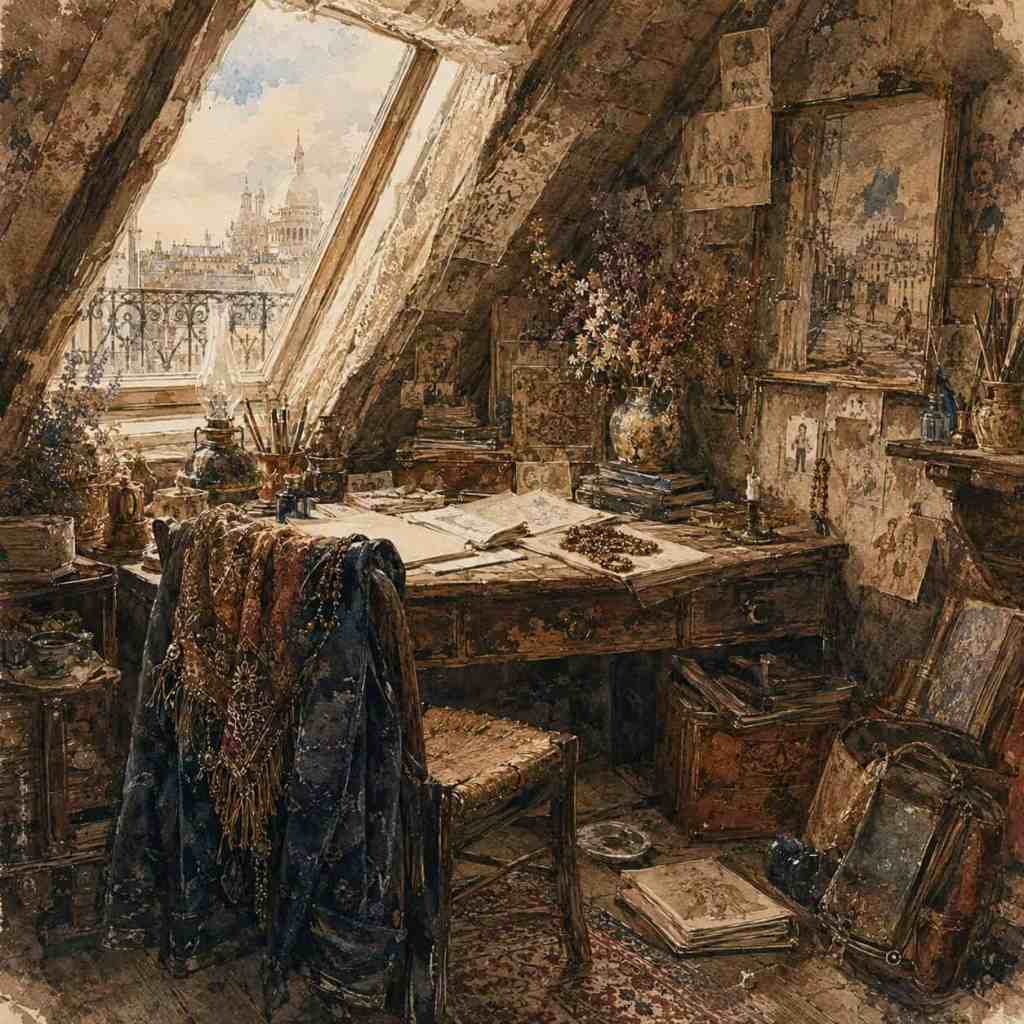
Montmartre: unconventional life அணியக்கூடிய image ஆன தருணம்
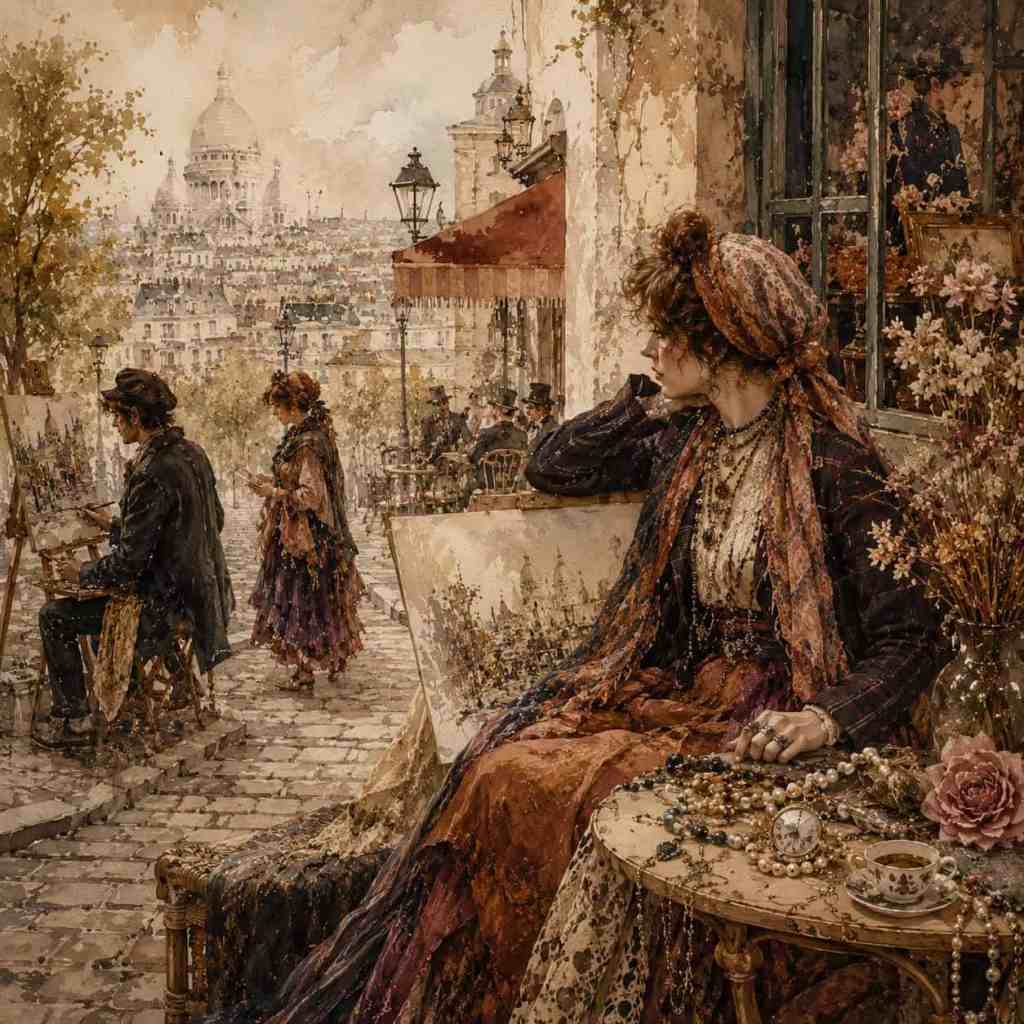
Collective imagination-க்கு Montmartre மிகவும் பிடிக்கும்: சாய்ந்த தெருக்கள், studios, cafés, cabarets, smoke, painters, poets மற்றும் modern legend-க்கு தனி absinthe sewer தேவைப்படுமோ என்ற அளவு absinthe. Reality இன்னும் சிக்கலானது — முக்கியமாக காலவரிசையிலும் பிந்தையது.
Artists Montmartre-க்கு பெரிய எண்ணிக்கையில் குடியேறத் தொடங்கியது முக்கியமாக 1870களிலிருந்து. குறைந்த rent, இடம், வெளிச்சம், ஓரளவு rural character, பின்னர் dense social/night life ஆகியவை அவர்களை ஈர்த்தன. 20ஆம் நூற்றாண்டின் தொடக்கத்தில் அது பெரிய art centre ஆனது; Murger அங்கே நல்லா fit ஆகிறார் என்பதற்காக அந்தத் தருணத்தை பல தசாப்தங்கள் பின்னோக்கி நகர்த்த முடியாது.
Boho history-க்கு இன்னும் முக்கியமான shift: bohemia கண்களுக்கு தெரியத் தொடங்குகிறது. ஒரு uniform இல்லை; velvet waistcoat காட்டினால் “bohemian licence” தரும் Paris office-மும் இல்லை. ஆனால் looser clothes, பழைய pieces, striking accessories, historicising details மற்றும் deliberate அல்லது economic roughness போன்ற visual signals உருவானன.
ஒரு society ஒரு வாழ்க்கை முறையை photograph-ல் recognize செய்யத் தொடங்கும் போது, fashion ஏற்கனவே கதவுக்குப் பக்கத்தில் இருக்கும். Look-ன் ஒரு பகுதி reality, ஒரு பகுதி self-expression, ஒரு பகுதி pose. Alternative culture கூட ஒருநாள் “என் spontaneity எப்படி சரியாக spontaneous-ஆகத் தெரியும்?” என்று யாராவது தீவிரமாகக் கணக்கிடுவதைத் தடுக்க முடியாது.
இது boho-வின் persistent paradox. Style personality, life, travel, chance finds ஆகியவற்றிலிருந்து இயற்கையாக வளர்ந்தது போலத் தோன்ற வேண்டும் — ஏழு almost-identical scarves-ல் எது least chosen போலத் தெரிகிறது என்று 40 minutes முடிவு செய்தபிறகும்.
இங்கே original way of life மெதுவாக way of life-ன் image ஆகிறது. Image உருவானதும் அதை borrow செய்யலாம், imitate செய்யலாம், modify செய்யலாம், sell செய்யலாம், ஒருநாள் coffee table பக்கத்தில் catalogue-ல் வைக்கலாம்.
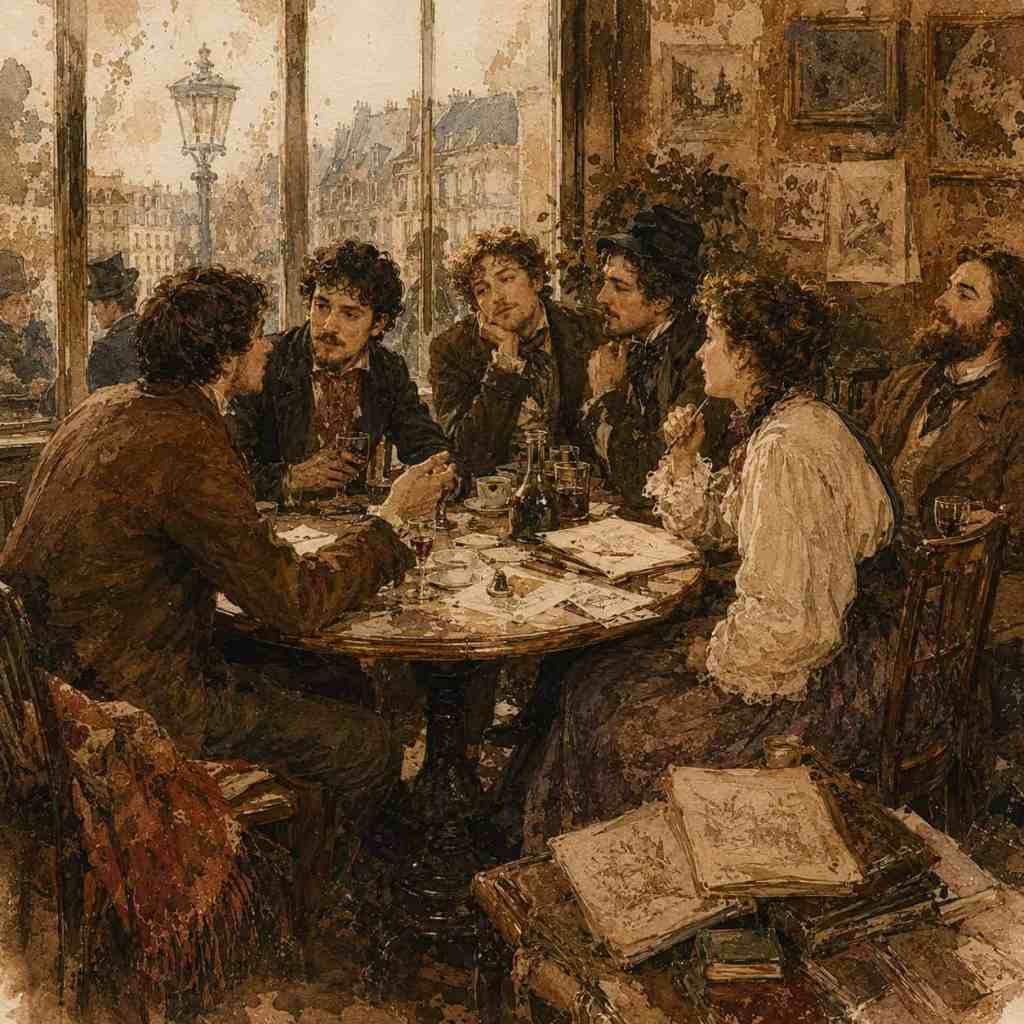
அலமாரிக்குள் உலகம்: cultural exchange, trade, எப்போதும் விருப்பத்துடன் பயணிக்காத objects
பழைய boho கதைகள் இங்கே romantic gallop-க்கு போய்விடும். Artists “exotic fabrics” கண்டுபிடித்தார்கள், merchants distant lands-லிருந்து wonders கொண்டு வந்தார்கள், cultures creative dialogue செய்தன, colorful mixture-லிருந்து open global aesthetic உருவானது என்று சொல்லப்படும். உண்மை ஒரு பகுதி இருக்கிறது; missing chapters மட்டும் ஒரு தனி bookcase நிரப்பும்.
European fashion ஒருபோதும் isolation-ல் வளரவில்லை. Textiles, dyes, shawls, silk, embroidery, garment cuts, techniques அனைத்தும் modern boho என்ற சொல்லுக்கு முன்பே நூற்றாண்டுகளாகச் சுற்றின. Indian textiles global trade-ல் மையமாக இருந்தன; Kashmir shawls European fashion-ஐ மாற்றின; Chinese silk luxury commodity ஆனது; Japanese garments மற்றும் aesthetics பல காலங்களில் designers மற்றும் consumers-ஐ கவர்ந்தன.
ஆனால் ஒவ்வொரு பொருளும் வேறு விதமாகப் பயணித்தது. சில long-standing trade வழியாக, சில migration-உடன், சில luxury goods ஆக, சில colonial networks வழியாக. சிலவற்றை European industry copy செய்தது; சிலவற்றின் meaning market-ல் மாறியபோது original maker-ன் பெயர் multinational label-ல் small workshop பெயர் மறைவதை விட வேகமாக மறைந்தது.
அதனால் “boho Africa-விலிருந்து jewelry, India-விலிருந்து fabric, South America-விலிருந்து textiles எடுத்தது” என்று எழுதுவது உதவாது. Africa ஒரு jewelry piece அல்ல; India ஒரு fabric அல்ல; South America Western interior கொஞ்சம் ‘soul’ வாங்கிக் கொள்ளும் universal cushion warehouse அல்ல.
அதற்குப் பதில் concrete கேள்விகள் உதவும்: இந்த object என்ன? யார் செய்தார்? எந்த region? எப்படிப் பயணித்தது? வழியில் meaning என்ன ஆனது? அப்போது vague “global inspiration” ஒரு real human story ஆகிறது — BeadCulture generic ethnic blanket ஒன்றாகச் சுருட்டாமல் untangle செய்ய வேண்டிய thread அதுதான்.
Cultural exchange தானாகவே problem அல்ல. மனிதர்கள் food, music, technologies, words, materials, decorative ideas, dress ஆகியவற்றை எப்போதும் பகிர்ந்துள்ளனர். Cultures ஒருபோதும் கலக்கவில்லை என்றால் world அதிக authentic ஆகாது; food குறைவாகவும் wardrobe மிகவும் boring-ஆகவும் இருக்கும்.
வேறுபாடு என்னவென்றால் எல்லா exchange-களும் equal conditions-ல் நடக்கவில்லை. சில admiration, collaboration, ordinary trade; சில copying, inequality, power imbalance — குறிப்பாக origin community ஒரு cultural marker-க்காக stigma சுமந்திருக்க, மற்றொருவர் அதே marker-க்கு applause மற்றும் three thousand likes பெறும்போது.
அதனால் “நாங்கள் respect-ஆக பயன்படுத்துகிறோம்” என்று எழுதுவது cultural audit முடிந்ததற்கான certificate அல்ல. Respect என்பது problematic history-ஐ fabric softener-ல் 30 degrees wash செய்து clean-ஆக எடுப்பது அல்ல. நாம் என்ன பயன்படுத்துகிறோம், அது எங்கிருந்து வந்தது, என்ன meaning, யாருக்கு name, context அல்லது money owe செய்கிறோம் என்று தெரிந்து கொள்வது.
மேலும் வேறு culture-லிருந்து வந்த ஒவ்வொரு பொருளும் sacred, ritual, ancient wisdom நிறைந்ததாக இருக்க வேண்டிய அவசியமில்லை. ஒரு beautiful bead சில நேரம் simply beautiful bead தான்; அதைச் செய்த craftsperson நல்ல வேலை செய்து அதை விற்க விரும்பியிருக்கலாம், third moon cosmic energy-யின் mystical guardian அல்ல.
அது நல்ல செய்தி. Marketing catalogue-ன் generic shamans-ஐ விட real people மிகவும் interesting.
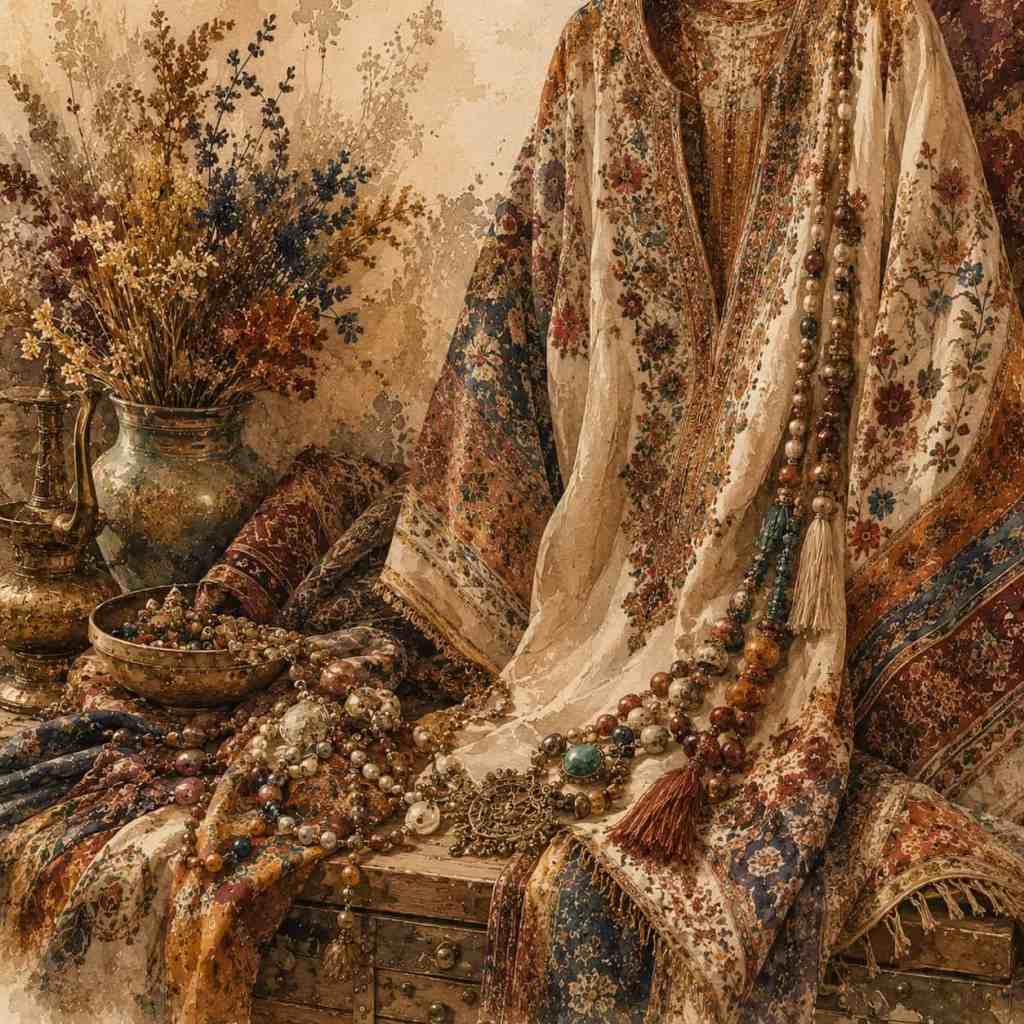
1960கள் மற்றும் 1970கள்: modern Boho mirror-ல் தன்னை அறிகிறது
இன்றைய boho visual DNA எப்போது நமக்கு recognizable form எடுத்தது என்று பார்க்க வேண்டுமென்றால் 1960கள் மற்றும் 1970கள் நோக்கி செல்ல வேண்டும். Fashion வெறும் attractive look அல்ல; generational identity, political attitude, sexuality, music belonging, சில நேரங்களில் parents-க்கு several sleepless nights கொடுக்கும் remarkably efficient tool ஆனது.
Hippie மற்றும் wider counterculture loose silhouettes, long dresses/skirts, layering, second-hand, older clothes, embroidery, beads, tie-dye, patchwork, DIY ஆகியவற்றை கொண்டு வந்தது. இவற்றில் பல முன்பே இருந்தன; ஆனால் Western youth culture-ல் polished, conventional, consumer-driven fashion-க்கு எதிரான visible language ஆக புதிய meaning பெற்றன.
Old clothes என்றால் புதியதை afford செய்ய முடியவில்லை என்பதுதான் என்று இருக்க வேண்டிய அவசியம் மறைந்தது. அது புதியதை வேண்டாம் என்றும் சொல்ல முடிந்தது; worn jacket-ல் mass-produced outfit-க்கு இல்லாத trace of life, individuality, ready-made identity வாங்காமல் தன் image-ஐ உருவாக்கும் freedom இருந்தது.
இந்தக் காலம் non-European garments, textiles, jewelry, crafts மீது interest-ஐ அதிகரித்தது. சில நேரம் real curiosity மற்றும் exchange உருவானது; சில நேரம் உலகின் வேறு பகுதியிலிருந்து ஒரு garment அணிந்தால் expanded consciousness shipping box-ல் free-ஆக வரும் என்ற அளவு superficial ஆனது.
Hippie culture ஒரு morally perfect fairy tale அல்ல. அது மனிதமானது: beautiful, naive, brave, experimental, சில நேரம் problematic — பல நேரம் இவை அனைத்தும் ஒன்றாக.
இந்த layer-லிருந்து modern boho தனது favourite visual vocabulary-யின் பெரும் பகுதியை inherit செய்தது: layering, texture, handwork, embroidery, beads, patchwork, long silhouettes, vintage மற்றும் tidy fashion தனித்தனி drawers-ல் வைக்கும் பொருட்களை ஒன்றாக சேர்ப்பதில் வரும் மகிழ்ச்சி.
பின்னர் Thea Porter போன்ற designers counterculture aesthetic luxury fashion-க்கும் செல்ல முடியும் என்று காட்டினர். Porter rich textiles, kaftans மற்றும் Middle Eastern dress traditions-இன் influences-ஐ பயன்படுத்தினார்; அவரது clients thrift shop-க்கு யாராவது old dress donate செய்யும் வரை காத்திருக்க வேண்டியவர்கள் அல்ல.
Boho-வின் அழகான paradox ஒன்றும் இங்கே பிறந்தது: mainstream consumption-க்கு எதிராக இருந்த style, mainstream consumption-க்கு fantastic product ஆனது. Capitalism counterculture-ஐ பார்த்து ஒரு நிமிடம் யோசித்து: “Cute. Medium size இருக்கிறதா?” என்று கேட்டது.
Lola Tralala: Embroidered vest-க்கு price tag வைக்கலாம் என்று யாரோ கண்டுபிடித்த தருணத்தில் revolution முடிந்தது.
Festival culture இந்த visual language-ஐ மேலும் recycle மற்றும் reshape செய்தது. குறிப்பாக 2000களில் Glastonbury, பழைய hippie, vintage, boho elements mainstream festival fashion-உடன் கலந்த முக்கிய இடங்களில் ஒன்று ஆனது.
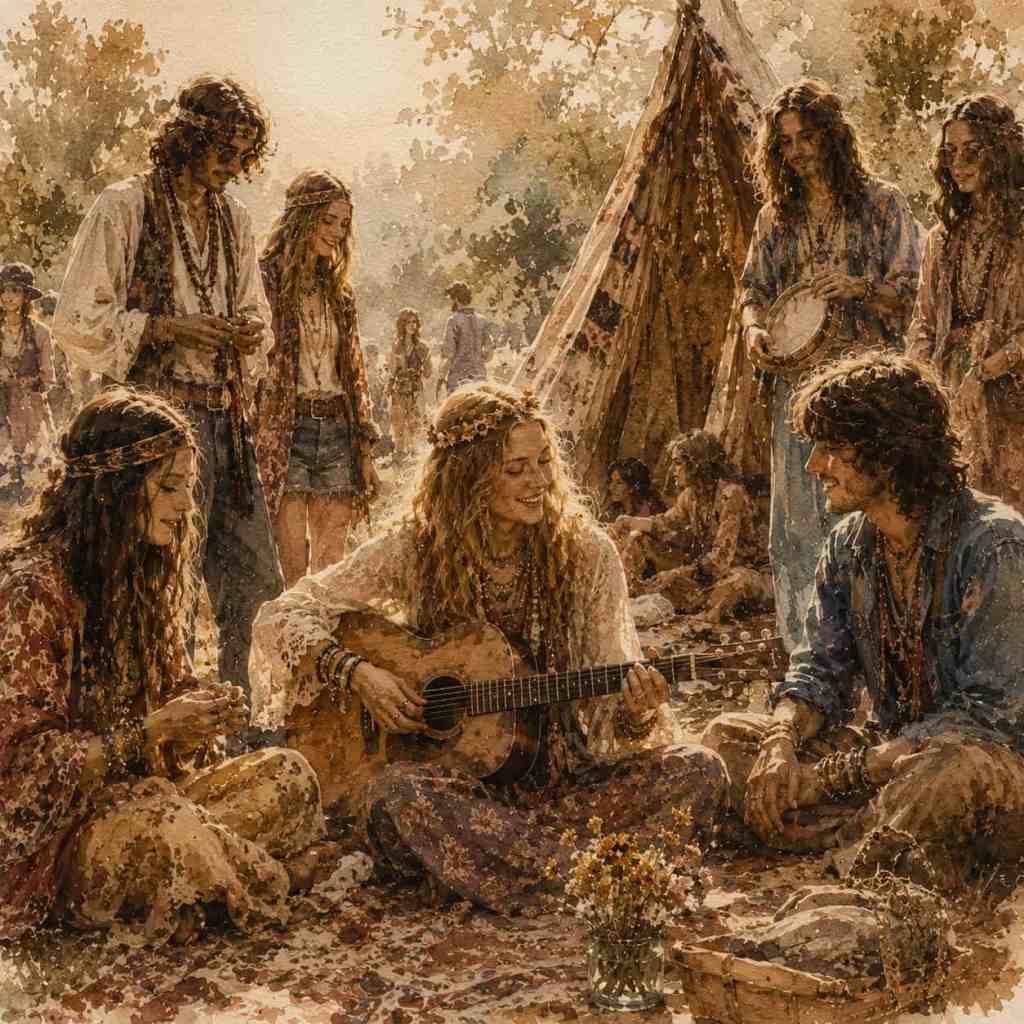
boho chic முதல் internet வரை: controlled mess global product ஆனது
Millennium-ஐச் சுற்றி பழைய bohemian மற்றும் hippie inspirations ஒரு highly visible mainstream trend ஆக மறுசீரமைக்கப்பட்டன: boho chic. Sienna Miller, Kate Moss மற்றும் 2000s fashion icons layered skirts, tunics, waistcoats, belts, boots, oversized bags, vintage pieces, loose hair, “பத்து நிமிடம் முன்பே casually போட்டது” போலத் தோன்றும் styling-ஐ popular செய்தனர்.
அந்த apparent effortlessness பல நேரம் military operation precision-ஆகத் தயாரிக்கப்பட்டது. “Carelessness” கூட fashion effect தான்; ஒவ்வொரு hair strand-உம் நீங்கள் அதைப் பற்றி எவ்வளவு care செய்யவில்லை என்று சரியாக நிரூபிக்க வேண்டும் என்றால் வேலை குறையாது.
Boho chic original bohemian-இலிருந்து aesthetic எவ்வளவு தூரம் வந்தது என்பதையும் காட்டுகிறது. Historical artist worn-out coat-ஐ new one afford செய்ய முடியாததால் அணிந்திருக்கலாம்; boho-chic customer expensive new coat-ஐ மூன்று previous owners, இரண்டு train journeys, laundry-யுடன் complicated relationship கடந்தது போலத் தெரிகிறது என்பதற்காக வாங்கலாம்.
இதனால் modern boho “fake” ஆகாது. அதன் function மாறியது: ஒரு way of life aesthetic language ஆனது; historical bohemia அல்லது counterculture-உடன் direct connection இல்லாமலும் அதை பயன்படுத்தலாம்.
பின்னர் internet broad aesthetic-களுக்கு எப்போதும் செய்வதைச் செய்தது: tomato fertilizer தவறாகப் போடப்பட்ட houseplant வேகத்தில் multiply. இன்று boho chic, dark boho, western boho, coastal boho, minimal boho, desert boho, artisan boho மற்றும் எண்ணற்ற fusions உள்ளன.
சில labels-க்கு தெளிவான history உள்ளது; சில recent internet அல்லது marketing categories; இன்னும் சில நம் கண்முன்னே உருவாகின்றன. அதில் தவறு இல்லை. Culture branch ஆகிறது; புதிய style-க்கு historical committee permission தேவையில்லை.
Problem ஒரு modern micro-aesthetic-க்கு fake ancestors உருவாக்கும் போது தான். Internet Monday ஒரு aesthetic invent செய்து, Wednesday “ancient symbolism” சேர்த்து, Friday TikTok-ல் mysterious Celtic roots கொடுக்க முடியும் — அந்த roots எந்த Celtic source-லும் இல்லாமல்.
அதனால் BeadCulture வெவ்வேறு boho variants-ஐ வேறுபடுத்தும். Historical direction historical என்று, newer fashion category newer என்று, internet அல்லது original fusion அதுபோலவே அழைக்கப்படும்; ஏனெனில் imagination அழகாக இருக்க fake family tree தேவையில்லை.
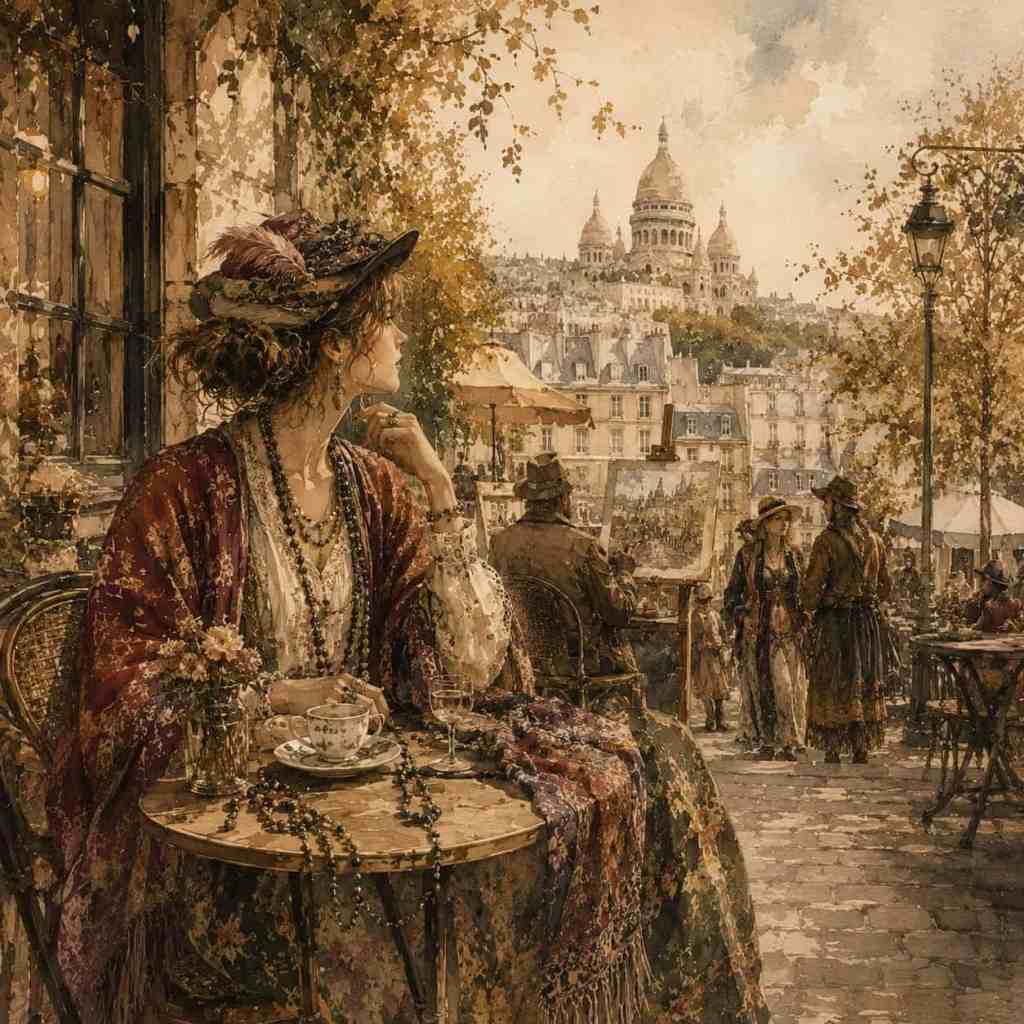
Boho-வில் என்ன வாழ்ந்தது — ஏன் இன்னும் ஈர்க்கிறது
Specific dresses, fringe, colours, bags மற்றும் square metre-க்கு regulation amount dried grass அனைத்தையும் நீக்கினால் சில recurring principles இருக்கும்: rigid rules-க்கு resistance, personal mixing/layering, vintage, craft, texture, roughness, தன் biography இருப்பது போலத் தோன்றும் objects.
அதனால் boho ஒரே mannequin-லிருந்து வாங்கிய complete set போலத் தெரியாதபோது பல நேரம் சிறப்பாக வேலை செய்கிறது. Old ring, new sweater, small workshop bracelet, second-hand bag, “boho aesthetic” என்பதை diagnosis என்று நினைப்பவரிடமிருந்து inherited scarf — perfectly coordinated “boho collection”-ஐ விட convincing ஆக இருக்கலாம்.
Visible human work-க்கும் முக்கியத்துவம் உண்டு. Embroidery, weaving, ceramics, beadwork, repair, patina, small irregularities object anonymous factory item போலத் தெரியாமல் செய்கின்றன — modern market “handmade imperfection” என்பதையும் industrial precision-ஆக manufacture செய்யத் தெரிந்தாலும்.
Boho sustainability-யுடன் naturally overlap ஆகலாம்; automatic green halo கிடையாது. Vintage, second hand, repairs, upcycling, local craft, quality objects-ஐ நீண்ட நாள் பயன்படுத்துவது sustainable choices ஆகலாம். Mass-produced polyester blouse-க்கு tassels வைத்தும் cactus பக்கத்தில் photo எடுத்தும் ecological citizenship கிடைக்காது.
Boho இன்னும் தரும் valuable idea இதாக இருக்கலாம். ஒரு object meaningful ஆக இருக்க new, perfectly smooth, yesterday வாங்கியது ஆக வேண்டியதில்லை. Scratch, repair, history, previous owner எல்லாம் இருக்கலாம்; இந்த ஆண்டு fringe நான்கு centimetres shorter என்று catalogue சொல்கிறது என்பதற்காக அதை retire செய்ய வேண்டியதில்லை.
World-லிருந்து inspiration தேடுவதை நிறுத்தவும் வேண்டியதில்லை. இன்னும் curious மற்றும் precise ஆகலாம்: “ethnic jewel” உண்மையில் எங்கிருந்து வந்தது? “tribal pattern” ஒரு குறிப்பிட்ட community-க்கு சேர்ந்ததா? ஒரு beautiful ornament, invented spiritual story ஒட்டாமல் simply beautiful ornament ஆக இருக்க முடியாதா?
அப்படியென்றால் Boho உண்மையில் என்ன?
இந்த முழுப் பயணத்துக்குப் பிறகு ஒரு elegant definition-ல் முடிக்க ஆசை வரும்; boho அதற்கு resist செய்கிறது. அது single birthday கொண்ட historical subculture அல்ல; Parisian bohemia-வின் direct continuation அல்ல; hippie culture-க்கும் identical அல்ல; entry-ல் macramé மற்றும் monstera ownership certificate தரும் automatic sustainable lifestyle-மும் அல்ல.
Boho பல history layers-ல் கட்டப்பட்ட modern aesthetic language. Parisian bohemia-விலிருந்து free artist myth, counterculture மற்றும் hippie fashion-லிருந்து visual vocabulary, global cultural contacts-லிருந்து materials மற்றும் inspirations, fashion industry-லிருந்து repack-and-sell ability, internet-லிருந்து almost unlimited branching ஆகியவற்றை அது inherit செய்கிறது.
அதன் strongest part ஒரு குறிப்பிட்ட skirt, jewel, interior-ல் இருக்காமல் இருக்கலாம்; மற்றொருவரின் rulebook-க்கு perfectly match ஆகாமல் இருந்தாலும் பொருட்கள் ஒன்றாக நம் story-ஐ சொல்ல முடியும் என்ற idea-வில் இருக்கலாம். Personality layers-ஆக build ஆகலாம்; shelf-லிருந்து complete identity வாங்கத் தேவையில்லை.
இன்று பழைய romantic stories-ல் இல்லாத ஒன்றை நாம் சேர்க்க முடியும்: நம் story-க்குள் கொண்டு வரும் objects-ன் real origins மீது curiosity. Style freedom என்பது மற்றவர்களின் history-ஐப் பற்றி care செய்யாதது அல்ல; நாம் என்ன borrow செய்தோம், அது எங்கிருந்து வந்தது, ஏன் matter செய்கிறது என்று தெரிந்திருக்கும் confidence ஆகலாம்.
Lola Tralala: True Boho bag fringe எண்ணுவதில் தொடங்காது. “இவை இரண்டும் match ஆகவே இல்லை” என்று நினைத்தும் இரண்டையும் அணிந்து — பிறகு இரண்டாவது பொருளை உண்மையில் யார் செய்தார் என்று தெரிந்து கொள்வதில் தொடங்கும்.
Original bohemian மிக நன்றாக survive செய்திருப்பது ஒரு garment அல்லது bead-ல் அல்ல; இந்தச் சிறிய stubborn idea-வில் இருக்கலாம்: life மற்றொருவர் prescribe செய்த மாதிரி exactly இருக்க வேண்டியதில்லை, personal style uniform அல்ல, ஒரு சிறிய autobiography ஆக இருக்கலாம்.
FAQ
Boho style எப்போது தொடங்கியது?
ஒரே தேதி இல்லை. Paris bohemia 19ஆம் நூற்றாண்டில் வலுவாக அமைந்தது; modern boho-வின் பல visual elements 1960–70 counterculture, hippie fashion, பின்னர் boho chic வழியாக வந்தன.
Historical bohemia மற்றும் boho ஒன்றா?
இல்லை. Historical bohemia artists-ுடன் தொடர்புடைய unconventional cultural environment மற்றும் way of life; boho இன்று fashion, interiors, pop culture-இல் aesthetic term.
Boho Roma மக்களிடமிருந்து வந்ததா?
Roma மக்கள் modern boho-ஐ உருவாக்கவில்லை. ஆனால் bohémien/bohemian என்ற சொல்லின் history, Roma மற்றும் itinerant groups மீது European stereotypes-உடன் சிக்கலாக இணைந்துள்ளது.
Hippie மற்றும் boho எப்படி தொடர்புடையவை?
அவை ஒன்றல்ல; ஆனால் loose silhouettes, layering, vintage, second-hand, DIY, beads, patchwork, embroidery ஆகியவற்றில் hippie culture பெரிய influence கொண்டது.
Boho automatically sustainable ஆகுமா?
இல்லை. தோற்றம் environmental impact-ஐ நிர்ணயிக்காது. Vintage, repair, upcycling, long use sustainable ஆகலாம்; mass-produced polyester lavender field-லும் polyester தான்.
🧵 இந்த நூல்கள் எங்கிருந்து வருகின்றன
இந்தக் கட்டுரை archives, museums, specialist literature மற்றும் material culture-ல் historical traces-ஐப் பின்தொடர்ந்து உருவாக்கப்பட்டது. இவை முக்கிய threads — ஏன் பயன்படுத்துகிறோம் என்பதோடு.
🏛 TRACE: பாரிசிய bohemia
Bibliothèque nationale de France — Scènes de la vie de bohème.
ஏன்: Murger-ன் real milieu மற்றும் later romantic myth-ஐ வேறுபடுத்த.
🏛 TRACE: Montmartre முழுக் கதையல்ல
Musée de Montmartre — Artistes de Montmartre : 1870–1910.
ஏன்: chronology-யை சரியாக வைத்திருக்க.
🗃 TRACE: bohémien சொல்லின் வரலாறு
Académie française — bohème / bohémien.
ஏன்: word history, Roma stereotypes மற்றும் later transfer-ஐ document செய்ய.
🧵 TRACE: Textiles எப்படிப் பயணித்தன
The Met — Indian Textiles / V&A — Muslin and cashmere.
ஏன்: trade, copying, materials மற்றும் power relations-ஐ concrete-ஆகப் பார்க்க.
🏛 TRACE: Hippies, patchwork மற்றும் Boho DNA
V&A — Patchwork fashions / 1960s fashion.
ஏன்: modern Boho visual vocabulary தெளிவாகும் இடம்.
📚 TRACE: bohemian ஆக இருப்பது என்ன
Jerrold Seigel — Bohemian Paris மற்றும் Elizabeth Wilson — Bohemians: The Glamorous Outcasts.
Johns Hopkins University Press.
ஏன்: broader social context மற்றும் over-simple myth-ஐத் தவிர்க்க.
📚 இன்னும் ஆழமாகப் போக வேண்டுமா? Books மற்றும் further reading
பாரிசிய bohemia-விலிருந்து modern Boho வரை journey பிடித்திருந்தால், இவை நல்ல next stops. Fact-check sources மேலுள்ள 🧵 இந்த நூல்கள் எங்கிருந்து வருகின்றன block-ல் உள்ளன.
📚 Jerrold Seigel — Bohemian Paris
Real Parisian bohemia, art, society மற்றும் bourgeois life பற்றிய detailed social history.
📚 Elizabeth Wilson — Bohemians: The Glamorous Outcasts
Bohemia, romanticization, identity மற்றும் rebel எப்படி cultural icon ஆனார் என்பதற்கான accessible cultural history.
📖 François Villon — poems / Testaments
ஒரு reliable critical edition அல்லது நல்ல translation-ஐத் தேர்ந்தெடுத்து poet-ஐ நேராக வாசிக்கவும்; later legend-ஐ historical proof ஆக மாற்ற வேண்டாம்.