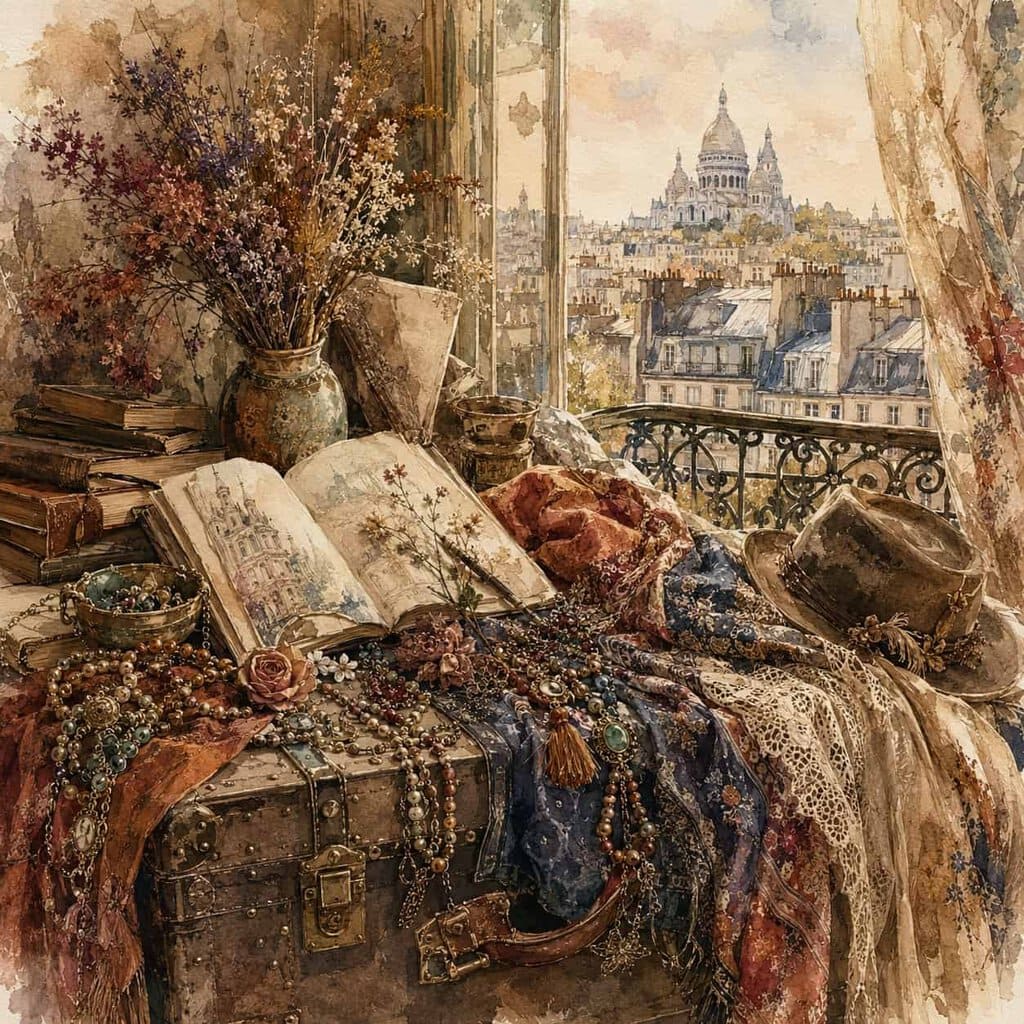
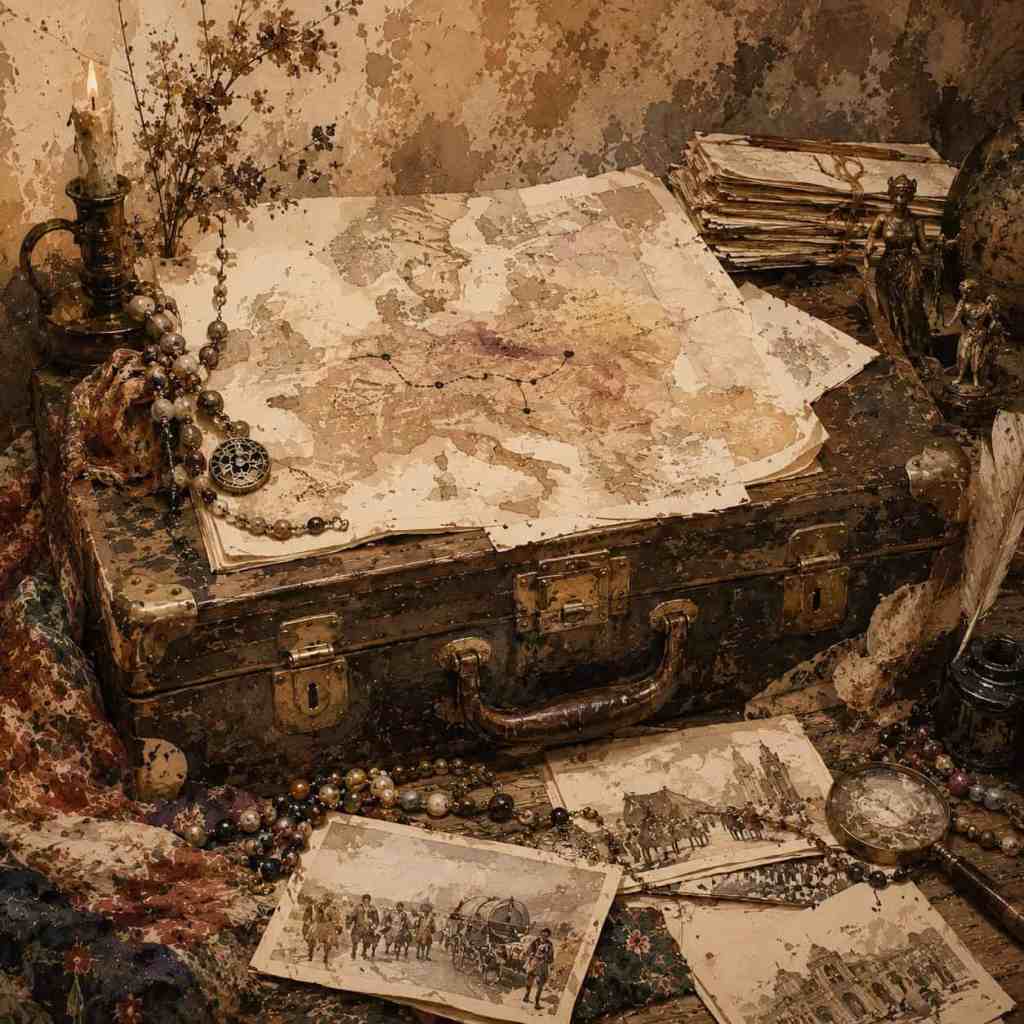
Boho का कोई एक जन्म प्रमाणपत्र नहीं है। यह कई सदियों के लेबलों से ढका एक पुराना सूटकेस अधिक है, जिनमें से कुछ अब भी बस जिद और एक ऐतिहासिक गलतफ़हमी के सहारे चिपके हैं। पेरिस की बोहेमिया ने एक लेबल लगाया, कलाकारों और counterculture ने कुछ और, फिर hippies, fashion designers और festivals आए; कुछ लेबल ऐसे रास्तों से पहुँचे जो आज beige moodboard और pampas grass के पास जितने romantic दिखते हैं, असल में उससे बहुत कम थे।
इसलिए Boho का इतिहास किसी गरीब कवि से flower children होते हुए rattan chair तक जाती साफ़ सीधी रेखा नहीं है। आज का Boho कई ऐतिहासिक परतों से बना है जो मिलीं, अलग हुईं, फिर खोजी गईं, महँगे दाम पर बेची गईं और कभी-कभी ऐसे पेश आईं जैसे वे हमेशा से रिश्तेदार हों। उन्नीसवीं सदी का पेरिसियन bohemian hippie नहीं था, hippie boho chic नहीं था, और Sienna Miller शायद हर सुबह यह नहीं सोचती थी कि Henry Murger उसके boots के बारे में क्या कहते।
फिर भी इनके बीच धागे हैं। कुछ असली हैं, कुछ हमने बाद में बाँधे, क्योंकि लोगों को सुंदर family tree पसंद होता है और fashion को ठीक उसी समय कोई परदादी खोज लेने की खास प्रतिभा है जब परदादी होना उपयोगी हो जाए।
Lola Tralala: Boho शायद अकेला style है जिसने “career कुछ ज़्यादा bourgeois चीज़ है” वाली idea से career बना लिया।
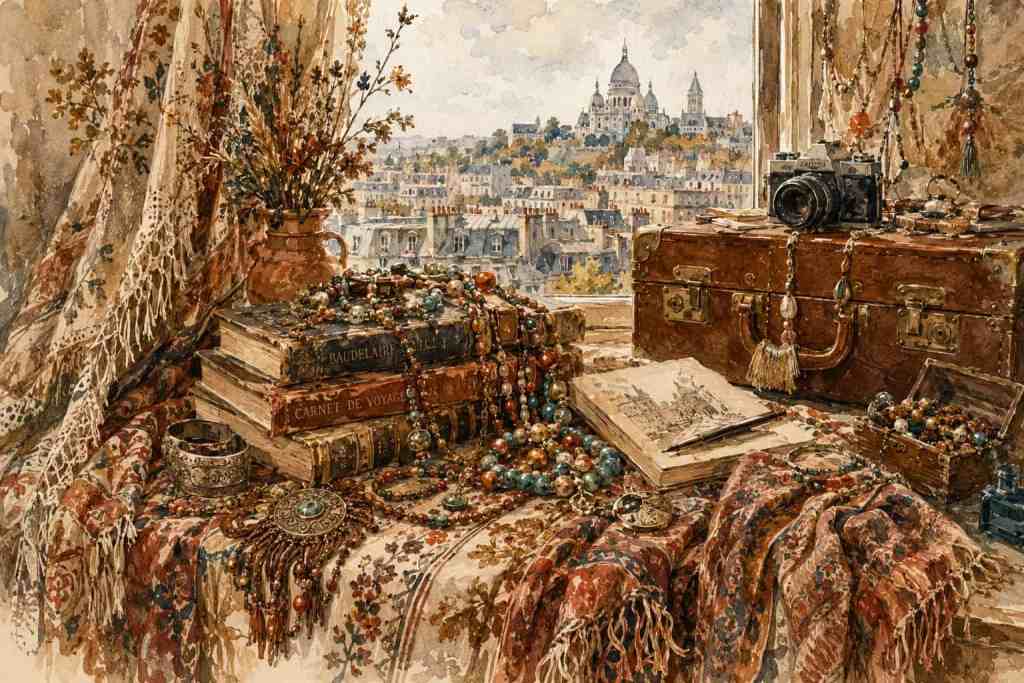
Bohemia अभी Boho नहीं थी — और शब्द का अतीत भी असुविधाजनक है
आज Boho मुख्यतः एक aesthetic है: loose silhouettes, layering, vintage, statement jewelry, craft, texture, पुरानी और नई चीजें साथ, कभी festival जैसी बिखराहट और कभी ऐसा interior कि “यूँ ही फेंका” blanket भी तीन घंटे की meeting के बाद रखा हुआ लगे। ऐतिहासिक bohemia, मगर, fashion style नहीं थी और किसी ने “bohemian lifestyle starter pack” subscribe नहीं किया था।
यह एक जीवन शैली, social environment और धीरे-धीरे उन लोगों की cultural image थी जो सामान्य bourgeois सुरक्षा के बाहर रहते थे: artists, writers, musicians, students और दूसरे लोग; कुछ conviction से conventions ठुकराते थे, कुछ के लिए जीवन ने बस regular income, stable housing और tidy future एक package में नहीं दिया।
लेकिन bohémien शब्द का इतिहास अधिक पुराना और कहीं कम romantic है। French में यह सदियों तक Roma लोगों और उन समूहों के लिए इस्तेमाल हुआ जिन्हें mobile माना गया, इस गलत विश्वास के साथ कि वे Bohemia से आए थे। wandering, fortune-telling, disorder, instability और crime जैसे stereotypes इस शब्द से जुड़ते गए।
यह फर्क ज़रूरी है। Roma लोगों ने modern Boho नहीं बनाया, लेकिन बाद की European “bohemian life” image भी शून्य से नहीं आई; उसकी vocabulary और imagery का कुछ हिस्सा उन stereotypes से आया जो majority society ने Roma लोगों पर लगाए थे। इसलिए gypsy style, gypsy boho या “gypsy soul” सिर्फ लंबी skirt पसंद करने और keys खो देने वाले व्यक्ति के cute नाम नहीं हैं।
यहाँ एक असुविधाजनक historical irony है। Europe ने पहले असली लोगों को “free wanderers” की image में सीमित किया, उसी image से उन्हें stigmatize किया, फिर बाद में उसी fantasy का कुछ हिस्सा अपने artists के romantic costume के रूप में उधार लिया। इतिहास कभी-कभी गड़बड़ फैलाने में शानदार है और drawers दो सौ साल बाद हमें समेटने के लिए छोड़ देता है।
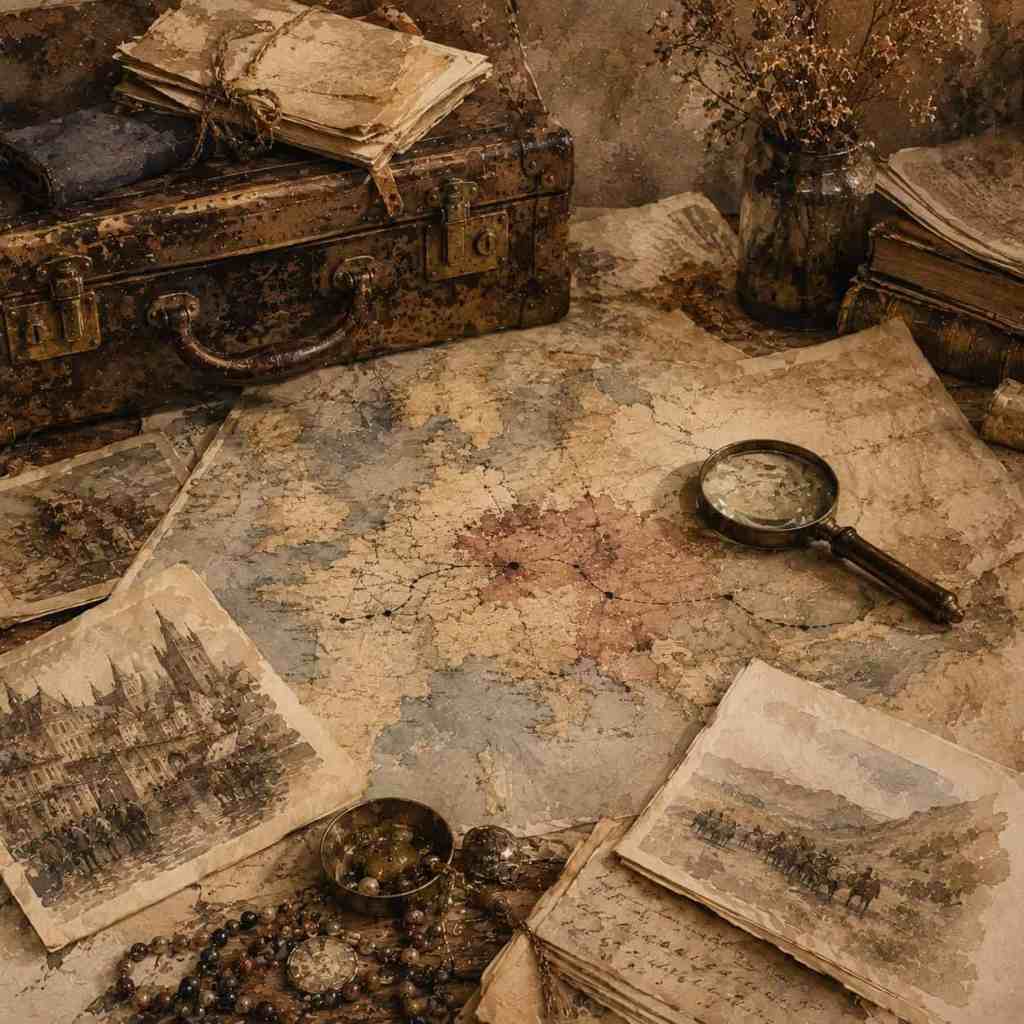
Parisian bohemia: rent bills से जन्मी legend
उन्नीसवीं सदी के पहले हिस्से में Paris उन लोगों का magnet बन गया जो paint, write, perform, argue और art बदलना चाहते थे — और संभव हो तो इस बीच भूखे न मरें। आख़िरी बात romantic bohemia की तस्वीरें थोड़ा झिझककर मानती हैं।
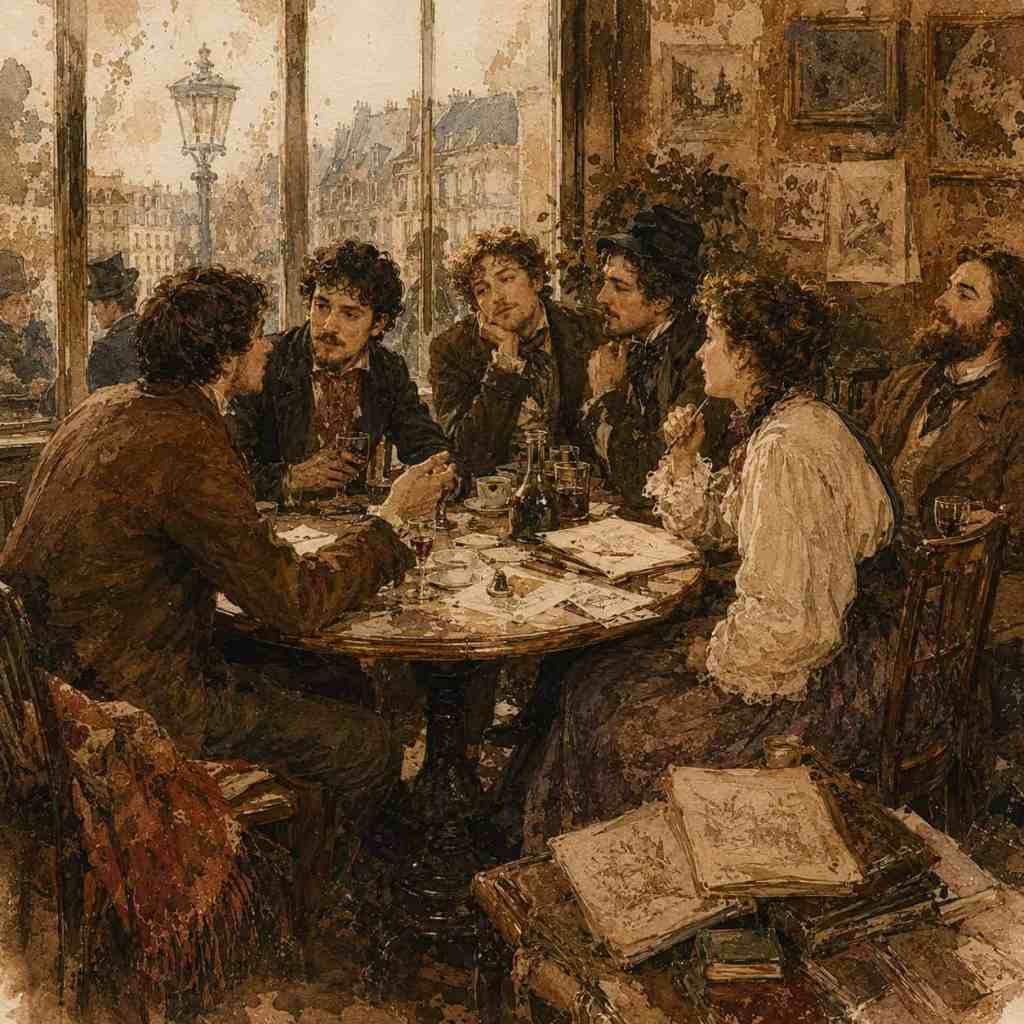
Parisian bohemian image बनाने वाले प्रमुख लोगों में Henry Murger थे। 1840s के मध्य से उन्होंने young artists के बारे में लिखा जो creativity, friendship, love, cafés, debt और financial planning के साथ बहुत experimental relationship के बीच रहते थे। Scènes de la vie de bohème ने एक असली artistic milieu के हिस्से को ऐसी cultural legend में बदलने में मदद की जो उसके ज़्यादातर rental contracts से लंबी चली।
यहीं Boho को लंबे समय तक follow करने वाला mechanism शुरू होता है: reality धीरे-धीरे aesthetic बनती है। असल ज़िंदगी में ठंडा कमरा बस ठंडा कमरा है, literature उसे आख़िरी candle की रोशनी में immortal work जन्म लेने वाला attic बना सकती है। Debt reality में irritating letter है, legend में यह proof लग सकता है कि किसी ने bourgeois world को soul नहीं बेची। गरीबी में पहना worn coat कुछ generations बाद “authentically distressed” item बनकर इतनी कीमत में लौट सकता है कि original bohemian का कई महीनों का rent निकल जाए।
इसका मतलब यह नहीं कि bohemia सिर्फ pose थी। बहुत से लोग सचमुच social norms पर सवाल उठाते थे, creation, relationships और life के दूसरे forms खोजते थे, और artistic या intellectual freedom को conventional path की security से ऊपर रखते थे। मगर cultural memory editing पसंद करती है: wine, poetry, lovers और midnight conversations रखती है, tuberculosis, hunger और existential anxiety को frame से quietly crop कर देती है।
इस तरह bohemian सिर्फ एक व्यक्ति नहीं रहता। वह ऐसे इंसान का archetype बन जाता है जो norm ठुकराता है, create करता है, अपने तरीके से जीता है और regular office hours देखकर जैसे उसे hives हो जाएँ। Modern Boho ने किसी specific nineteenth-century wardrobe से अधिक इसी archetype को inherit किया।
François Villon भी बार-बार इस कहानी में झाँकते हैं, हमारे favorite guest जो लगभग चार सदियाँ जल्दी आ गए। Villon ने bohemia found नहीं की, न festival vests तक कोई secret historical thread है, लेकिन later cultural image as rebellious poet इतनी attractive थी कि अगली generations ने उन्हें nonconformist artists की family में खुशी से adopt कर लिया।
यह बहुत human है। जब कोई rebellion के ancestor के रूप में हमारी story में बहुत अच्छी तरह fit हो जाए, तो हम कभी-कभी pencil से खुद ही उसे family tree में जोड़ देते हैं।
Lola Tralala: Villon family reunion में आ सकते हैं। बस “François Villon — Boho Ltd. founder, since 1431” वाला card मत बनाइए।
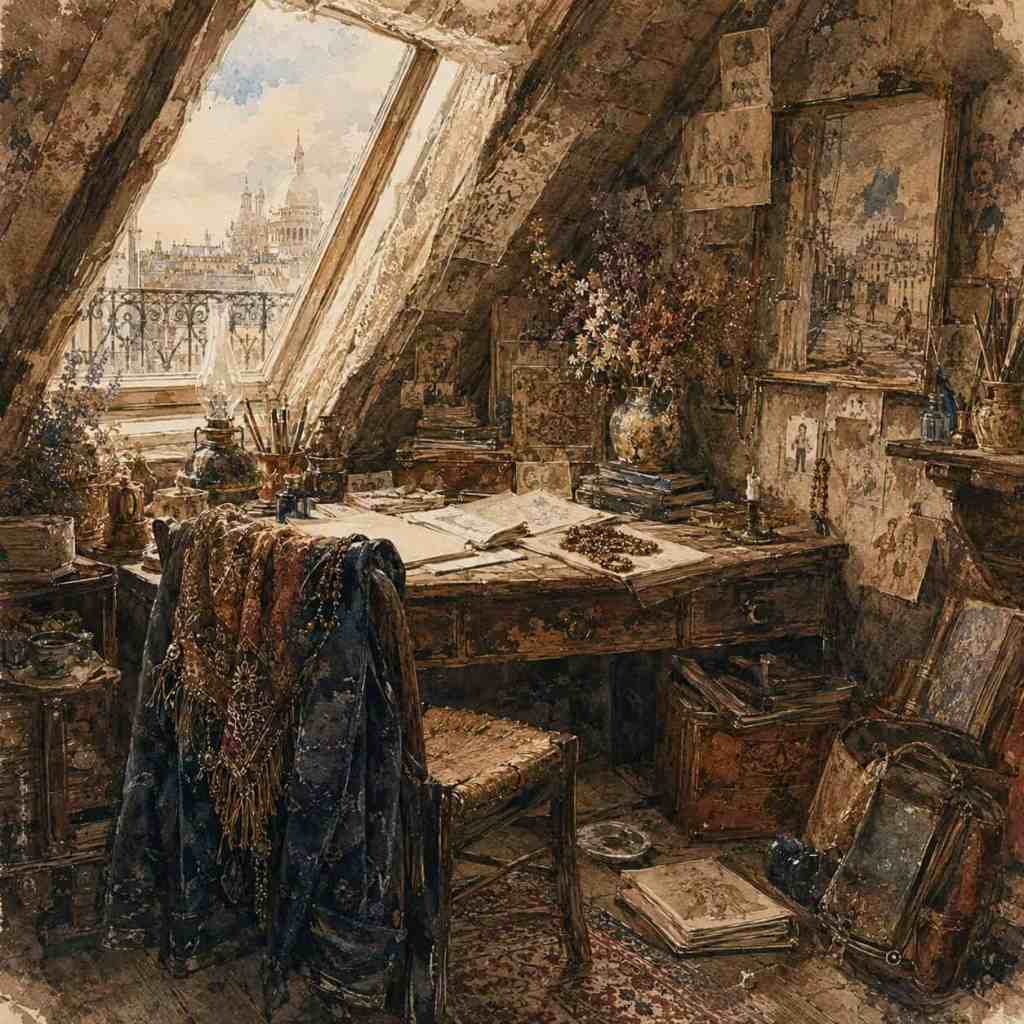
Montmartre और वह पल जब गैर-पारंपरिक जीवन पहनने योग्य image बन गया
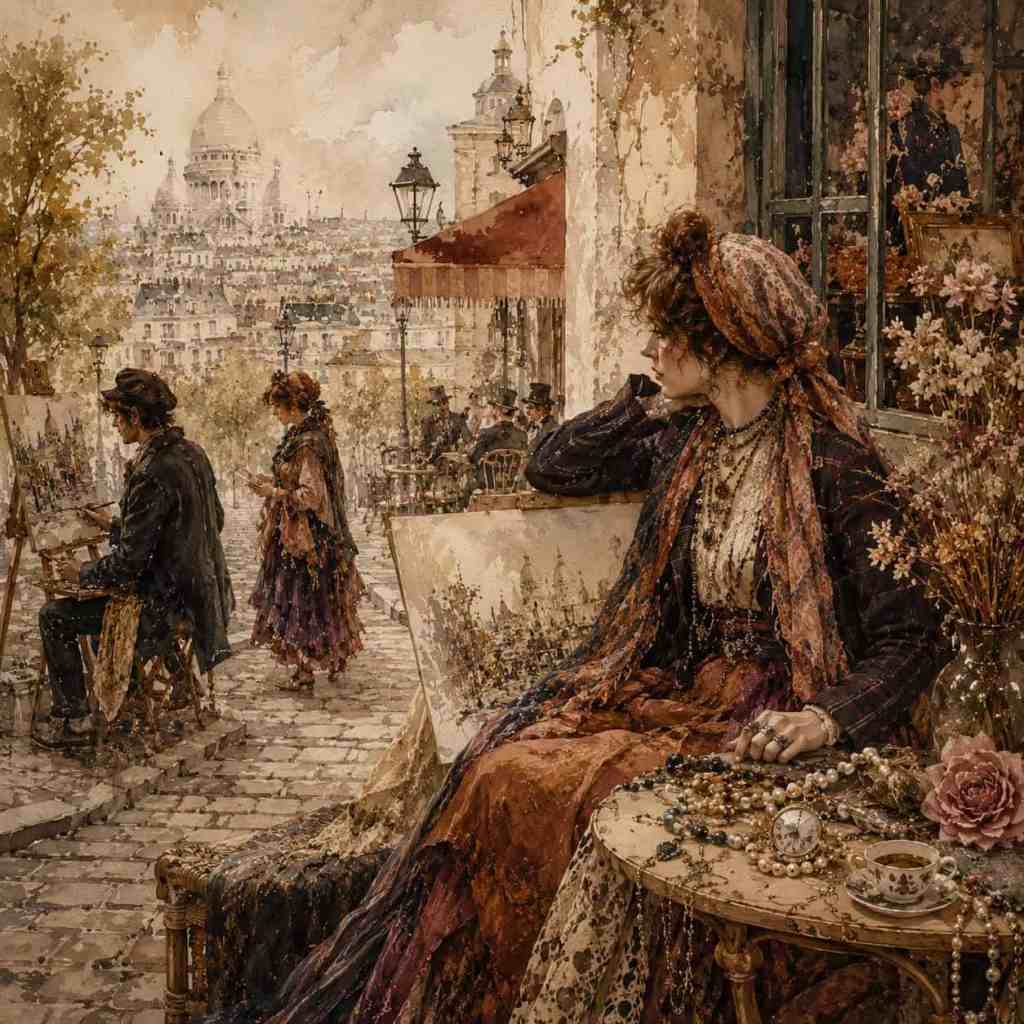
Collective imagination को Montmartre इसलिए पसंद है क्योंकि perfect bohemian picture की हर चीज़ वहाँ है: sloping streets, studios, cafés, cabarets, smoke, painters, poets और इतना absinthe कि modern legend से लगता है Paris को उसके लिए अलग sewer चाहिए था। Reality अधिक varied थी — और, महत्वपूर्ण बात, बाद की थी।
Artists Montmartre में बड़ी संख्या में मुख्यतः 1870s से रहने लगे। lower rents, space, light, तब का कुछ rural character और बाद की dense social/nightlife उन्हें खींचती थी। twentieth century के turn तक यह बड़ा artistic centre बन गया, मगर सिर्फ इसलिए इसे decades पीछे नहीं ले जाना चाहिए कि Murger वहाँ अच्छे लगते हैं।
Boho history में दूसरा shift और भी महत्वपूर्ण है: bohemia visible हो जाती है। कोई single uniform नहीं था, न Paris office velvet vest के बदले “bohemian licence” देता था, मगर nonconformist circles visual signs से जुड़ने लगे: loose या unusual clothes, old pieces, striking accessories, historicising elements और roughness के अलग degrees, कुछ deliberate और कुछ economics से forced।
जब society photo में way of life पहचान सकती है, fashion पहले ही door पर है। कुछ look reality, कुछ self-expression, कुछ pose से आता है; कोई alternative इतना alternative नहीं होता कि आखिरकार कोई अपनी spontaneity की appearance carefully plan न करे।
यह Boho के सबसे persistent paradoxes में है। Style को ऐसा दिखना चाहिए जैसे personality, life, travel और chance finds से naturally grow हुआ, भले किसी ने चालीस मिनट लगाकर सात लगभग identical scarves में वह scarf चुना हो जो “सबसे कम चुना हुआ” लगे।
यहीं original way of life image of a way of life में बदलना शुरू करती है। Image मौजूद हो तो कोई उसे borrow, imitate, modify, sell और आखिर catalogue में coffee table के पास रख सकता है।
Wardrobe के भीतर दुनिया: cultural exchange, trade और वे objects जो हमेशा अपनी मर्ज़ी से travel नहीं हुए
पुरानी Boho stories यहाँ अक्सर romantic gallop शुरू कर देती हैं। Artists ने supposedly “exotic” fabrics discover किए, merchants दूर देशों से wonders लाए, cultures creative dialogue में आईं और colourful mix से open global aesthetic बनी। कुछ truth है, पर omitted chapters पूरी bookshelf के लिए काफी हैं।
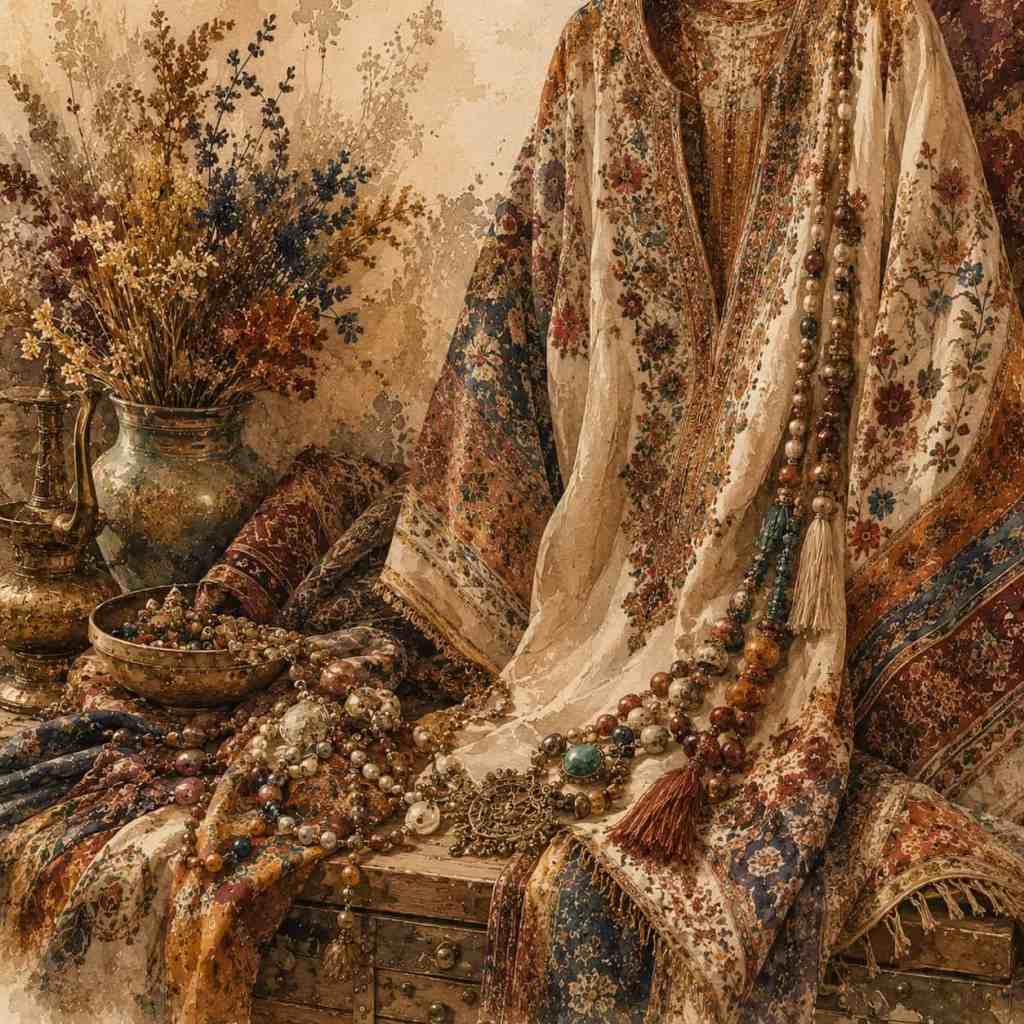
European fashion कभी isolation में develop नहीं हुई। textiles, dyes, shawls, silk, embroidery, cuts और production techniques modern Boho से centuries पहले trade routes पर चलती थीं। Indian textiles global trade में central थे, Kashmir shawls ने European fashion shape की, Chinese silk luxury commodity थी, और Japanese clothing/aesthetics ने अलग periods में European designers और consumers को fascinate किया।
लेकिन हर object अलग तरीके से travel करता था। कुछ long-standing trade से, कुछ migrants के साथ, कुछ luxury goods के रूप में, कुछ colonial networks से। कुछ European industry ने copy किए; कुछ ने Europe में नए meanings लिए जबकि original maker story से उतनी तेजी से गायब हुआ जितना small workshop का नाम multinational label से।
इसलिए “Boho ने Africa से jewelry, India से fabric और South America से textiles लिए” लिखना ठीक नहीं। Africa एक jewelry piece नहीं, India एक fabric नहीं, South America universal colourful cushion warehouse नहीं जहाँ Western interior थोड़ी “soul” लेने जाए।
ज़्यादा useful सवाल specific है: यह object क्या है? किसने बनाया? किस region से? कैसे travel किया? रास्ते में meaning कैसे बदला? तब vague “global inspiration” real human story बनती है — वही thread जिसे BeadCulture को untangle करना चाहिए, न कि giant anonymous “ethnic” blanket में weave।
Cultural exchange खुद problem नहीं। इंसान हमेशा food, music, technology, words, materials, decorative ideas और dressing share करते आए हैं; अगर cultures कभी mix न होतीं, दुनिया अधिक authentic नहीं होती, खाना कम interesting और wardrobes बहुत boring होते।
फर्क यह है कि हर exchange equal conditions में नहीं होता। कभी admiration, collaboration या ordinary trade; कभी copying, inequality या ऐसी स्थिति जिसमें origin community उसी cultural marker पर stigma झेले और later users को उसी चीज़ पर applause और तीन हज़ार likes मिलें।
इसलिए “हम इसे respectfully use करते हैं” cultural audit पूरा करने के लिए काफी नहीं। Respect fabric softener नहीं जिसमें problematic history को thirty degrees पर wash करके clean निकाल लें। इसका मतलब जानना है कि हम क्या use कर रहे हैं, कहाँ से आया, क्या meaning है, और शायद किसे name, context या money owe करते हैं।
और हर दूसरी culture का object sacred, ritual या ancient wisdom से भरा होना ज़रूरी नहीं। कभी beautiful bead बस beautiful bead होता है, maker एक craftsperson जो अच्छा काम करना और बेचना चाहता है, third moon cosmic energy का mystical guardian नहीं।
यह अच्छी खबर है। Real people marketing catalogue के generic shamans से कहीं ज़्यादा interesting हैं।
1960s और 1970s: modern Boho mirror में खुद को पहचानती है
अगर हम वह period चाहते हैं जब आज के Boho का visual DNA उस shape में जमा होना शुरू हुआ जिसे हम सच में पहचानते हैं, तो nineteenth century से 1960s और 1970s तक jump करना होगा। Fashion अब सिर्फ “क्या सुंदर है” नहीं रही; generational identity, political attitude, sexuality, musical belonging और कभी parents की कई रातों की नींद उड़ाने का effective tool बन गई।
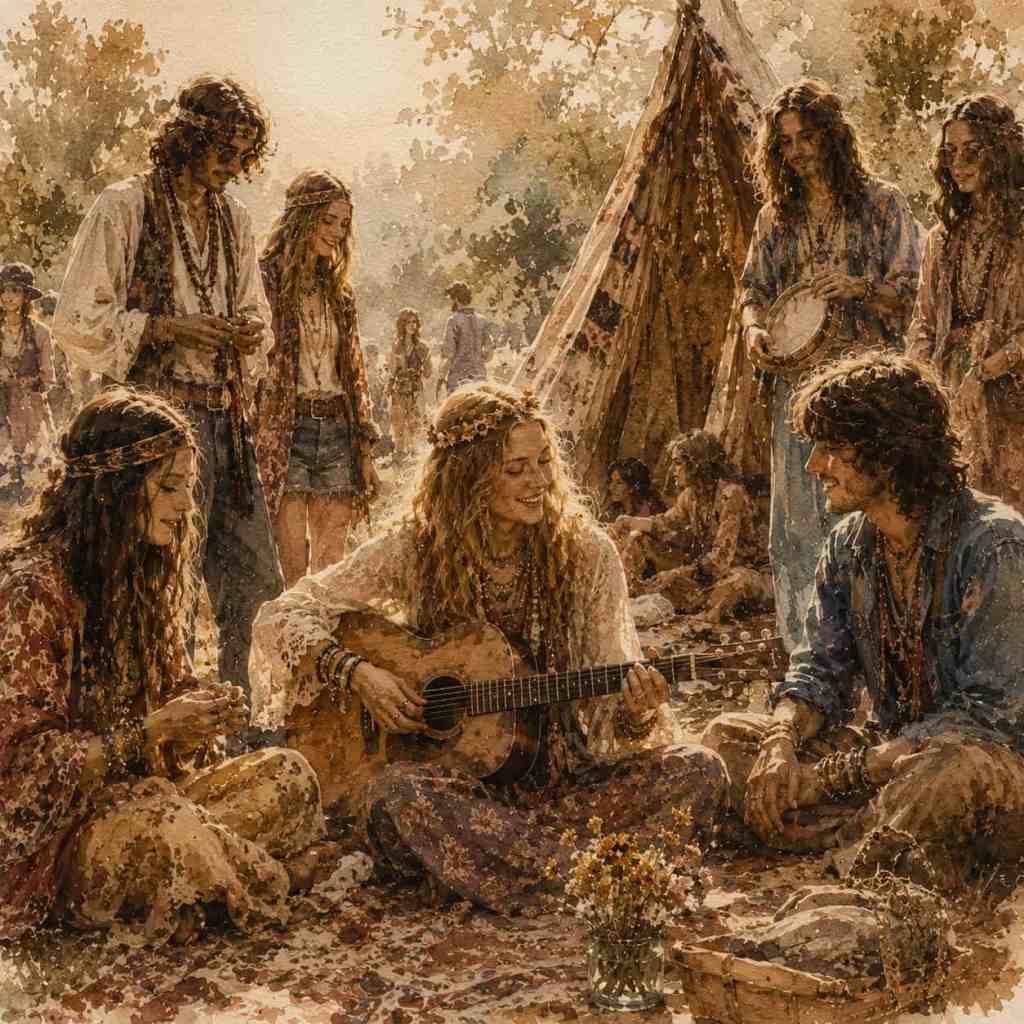
Hippies और broader counterculture ने loose silhouettes, long dresses/skirts, layering, second hand, old clothes, embroidery, beads, tie-dye, patchwork और DIY को prominent किया। बहुत सी चीज़ें पहले मौजूद थीं, मगर Western youth culture में इन्हें नए meanings मिले और previous generation की polished, conventional, consumer fashion reject करने की visual language बनीं।
Old clothes अब हमेशा यह नहीं कि कोई new afford नहीं कर सकता। इसका मतलब यह भी हो सकता था कि वह new चाहता ही नहीं, और worn jacket में वह चीज़ देखता है जो mass-produced outfit में नहीं: trace of life, individuality, और अपनी image खुद assemble करने की freedom।
इस period में non-European clothing, textiles, jewelry और crafts में interest भी बढ़ी, साथ countercultural idea कि दूसरे ways of living के लिए open रहना चाहिए। कभी यह genuine curiosity और exchange था, कभी shallow idea कि दुनिया के दूसरे हिस्से की चीज़ पहनने से expanded consciousness भी price में free आती है।
Hippie culture इसलिए moral perfection की fairy tale नहीं। यह human थी: beautiful, naive, brave, experimental, कभी problematic, और अक्सर ये सब एक साथ।
इस layer से Modern Boho ने अपनी favourite visual vocabulary का बड़ा हिस्सा लिया: layering, texture, handwork, embroidery, beads, patchwork, long silhouettes, vintage, और उन चीज़ों को combine करने की खुशी जिन्हें tidy fashion system अलग drawers में रखता।
फिर Thea Porter जैसे designers दिखाते हैं कि counterculture aesthetic luxury fashion में भी जा सकती है। Porter ने rich textiles, kaftans और Middle Eastern dress traditions से प्रभावित elements इस्तेमाल किए, उन clients के लिए जिन्हें thrift shop में donated old dress का इंतज़ार नहीं करना था।
Boho का सुंदर paradox पैदा हुआ: mainstream consumption के विरोध से जुड़ा style mainstream consumption के लिए शानदार product बन गया। Capitalism ने counterculture को देखा, थोड़ा सोचा और कहा: “Cute. Medium में है?”
Lola Tralala: Revolution ठीक उसी समय खत्म हुई जब किसी ने समझा embroidered vest पर price tag लगाया जा सकता है।
Festival culture ने फिर इस visual language को और recycle और reshape किया। खासकर 2000s में Glastonbury वह जगहों में था जहाँ older hippie, vintage और Boho elements mainstream festival fashion से mix हुए।
boho chic से internet तक: controlled mess कैसे global product बनी
Millennium के आसपास older bohemian और hippie inspirations को बहुत visible mainstream trend में reorganize किया गया: boho chic। Sienna Miller, Kate Moss और 2000s के दूसरे icons ने layered skirts, tunics, vests, belts, boots, oversized bags, vintage, loose hair और ऐसा styling popular किया जो दिखे जैसे घर से निकलने से दस मिनट पहले बना हो।
Naturally वह apparent effortlessness अक्सर military operation जितनी precision से तैयार होती थी। “Carelessness” भी fashion effect है, और हर hair strand को exactly prove करना हो कि आपको कितना care नहीं, तो काफ़ी मेहनत लगती है।
Boho chic दिखाता है aesthetic original bohemian से कितनी दूर आ चुकी। Historical artist worn coat इसलिए पहन सकता था कि new afford नहीं कर सकता; boho-chic customer expensive new coat इसलिए खरीद सकता है कि वह ऐसा लगे जैसे तीन owners, दो train journeys और laundry के साथ complicated relationship से गुज़रा हो।
यह Modern Boho को “fake” नहीं बनाता। Function बदल गया: way of life aesthetic language बन गई जिसे historical bohemia या counterculture से direct link के बिना use किया जा सकता है।
फिर internet ने broad aesthetic के साथ अपनी usual हरकत की: tomato fertilizer मिले houseplant की speed से multiply कर दिया। Boho chic, dark boho, western boho, coastal boho, minimal boho, desert boho, artisan boho और और भी fusion।
कुछ labels की history fairly clear है और years से use होते हैं; कुछ recent internet/marketing categories हैं, कुछ अभी बन रहे हैं। इसमें problem नहीं। Culture branch होती है; new style को historical committee की permission नहीं चाहिए।
Problem तब जब Modern micro-aesthetic के fake ancestors बनाए जाएँ। Internet Monday को aesthetic invent कर सकता है, Wednesday “ancient symbolism” दे सकता है और Friday TikTok पर कोई mysterious Celtic roots explain कर सकता है — roots जो किसी Celtic source में नहीं।
इसीलिए BeadCulture Boho variants distinguish करेगा। Historical को historical, newer fashion category को newer, internet/original fusion को वैसा ही कहेंगे। क्योंकि imagination को beautiful होने के लिए fake family tree नहीं चाहिए।
Boho में क्या बचा — और यह अब भी क्यों खींचती है
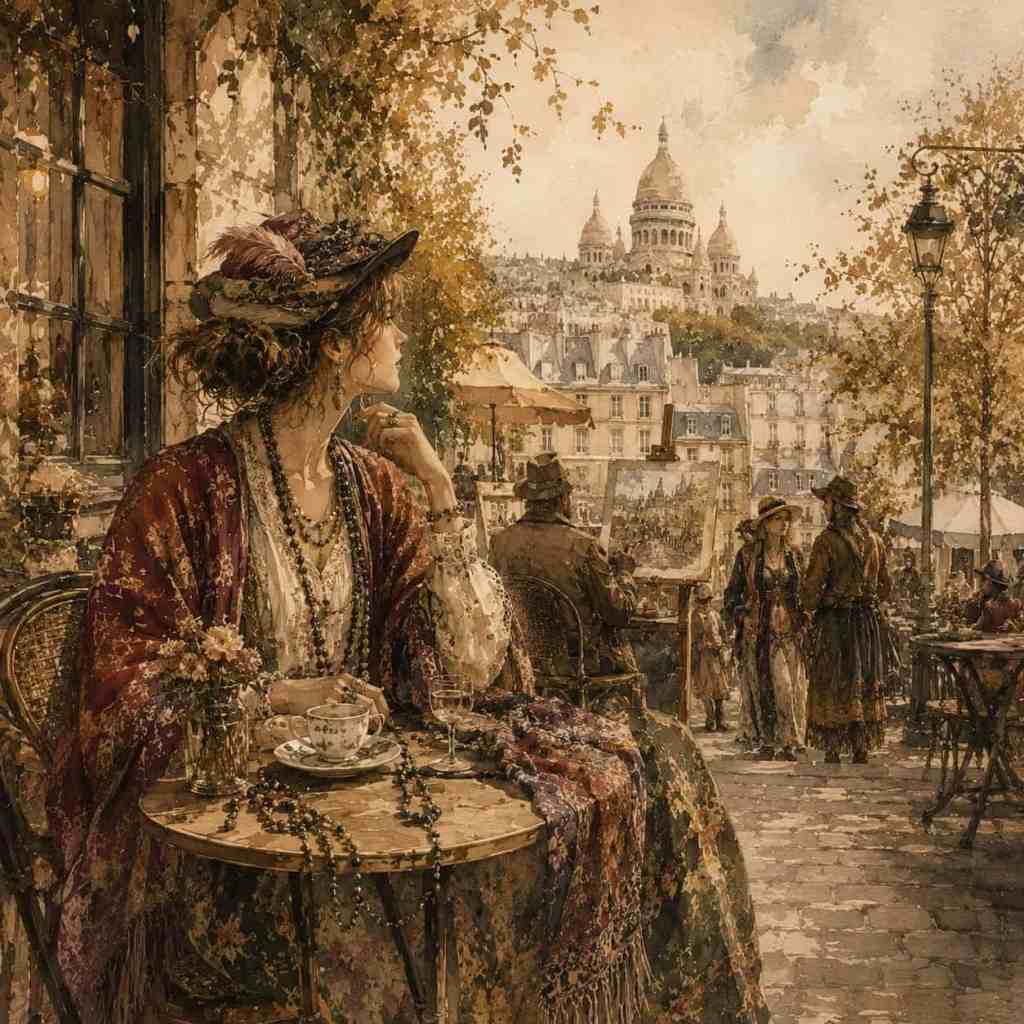
Specific dresses, fringe, colors, bags और हर square metre dry grass की “regulation amount” हटाएँ तो repeated principles बचते हैं: overly rigid rules के खिलाफ resistance, personal mixing/layering, vintage, craft, texture, roughness और ऐसी objects जिनकी अपनी biography लगे।
इसीलिए Boho अक्सर तब best काम करता है जब एक mannequin से complete set न लगे। old ring, new sweater, small workshop bracelet, second-hand bag और ऐसा inherited scarf जिसका previous owner शायद “boho aesthetic” को diagnosis समझता, perfectly coordinated “Boho collection” से अधिक convincing हो सकते हैं।
Visible human work भी important है। embroidery, weaving, ceramics, beadwork, repair, patina और small irregularities object को anonymous नहीं लगने देते — हालाँकि modern market “handmade imperfection” की बेहद precise industrial copy भी बना सकती है।
Boho sustainability से naturally overlap करती है, मगर automatic green halo नहीं मिलता। vintage, second hand, repairs, upcycling, local craft और quality objects का long use sustainable हो सकता है; mass-produced polyester blouse fringe और cactus photo से eco citizen नहीं बनती।
शायद Boho की ongoing value यही है। Object को meaningful होने के लिए new, perfectly smooth या yesterday-bought होना ज़रूरी नहीं। scratch, repair, history या previous owner ले सकता है, और सिर्फ new catalogue ने कहा fringe इस year चार centimetres shorter है इसलिए retire नहीं करना।
और world से inspiration लेना छोड़ने की भी ज़रूरत नहीं। बस अधिक curious और precise हों: “ethnic jewelry” असल में कहाँ से? “tribal pattern” किस community का? और कभी beautiful ornament बस beautiful ornament हो सकता है, invented spiritual story के बिना।
तो Boho असल में है क्या?
इस पूरी journey के बाद elegant definition पर खत्म करना tempting है, मगर Boho resist करती है। एक birthday वाली historical subculture नहीं, Paris bohemia की direct continuation नहीं, hippie culture के बराबर नहीं, और automatic sustainable lifestyle भी नहीं जहाँ members entry पर macramé और monstera ownership certificate लें।
Boho कई historical layers से बनी modern aesthetic language है। Parisian bohemia से free artist myth, counterculture/hippie fashion से visual vocabulary, global contacts से materials/ideas, fashion industry से repackage-and-sell ability, internet से लगभग infinite branching मिलती है।
शायद strongest हिस्सा specific skirt, jewelry या interior नहीं बल्कि idea है कि things को किसी और के rulebook के मुताबिक perfectly match होने की ज़रूरत नहीं ताकि मिलकर हमारी story बताएँ, और personality layers से build हो सकती है, complete identity shelf से खरीदकर नहीं।
आज हम old romantic stories में अक्सर missing चीज़ जोड़ सकते हैं: objects की real origin के बारे में curiosity। Style freedom का मतलब दूसरों की histories से careless होना नहीं; बल्कि इतना confidence कि जानें हमने क्या borrow किया, कहाँ से, और क्यों matters।
Lola Tralala: Real Boho fringe गिनने से शुरू नहीं होती। जब सोचें “ये दोनों बिल्कुल match नहीं करते”, फिर दोनों पहनें — और जानें कि दूसरा piece असल में किसने बनाया — वहीं से शुरू होती है।
शायद original bohemian सबसे अच्छी तरह इसी small stubborn idea में बचा है कि life को exactly वैसा दिखना ज़रूरी नहीं जैसा किसी ने prescribe किया, और personal style uniform की जगह small autobiography हो सकती है।
FAQ
Boho शैली कब शुरू हुई?
एक तारीख नहीं है। पेरिस की बोहेमिया 19वीं सदी में महत्वपूर्ण बनी, जबकि आधुनिक boho के कई दृश्य तत्व 1960–70 की counterculture और hippie fashion तथा बाद के boho chic से आए।
ऐतिहासिक बोहेमिया और boho क्या एक ही हैं?
नहीं। ऐतिहासिक बोहेमिया जीवन-संसार और सामाजिक वातावरण था; boho आज मुख्यतः aesthetic term है।
क्या boho रोमा लोगों से आया है?
रोमा लोगों ने आधुनिक boho नहीं बनाया। लेकिन bohémien शब्द का इतिहास यूरोपीय Roma stereotypes से जटिल रूप से जुड़ा है।
Hippie और boho का क्या संबंध है?
दोनों एक नहीं हैं, लेकिन hippie culture ने layering, vintage, DIY, beads, patchwork और embroidery सहित boho की visual language को बहुत प्रभावित किया।
क्या boho अपने-आप sustainable है?
नहीं। vintage, repair, upcycling और लंबा उपयोग sustainable हो सकते हैं; mass-produced polyester styling से sustainable नहीं बनता।
🧵 धागे कहाँ से आते हैं
यह लेख archives, museums, specialist literature और material culture में historical traces follow करके बनाया गया है। ये मुख्य threads हैं — और हम इन्हें क्यों use करते हैं।
🏛 TRACE: Parisian bohemia
BnF — Scènes de la vie de bohème.
क्यों: real milieu और later romantic myth अलग करने के लिए।
🏛 TRACE: Montmartre
Musée de Montmartre — 1870–1910.
क्यों: chronology सही रखने के लिए।
🗃 TRACE: bohémien शब्द
Académie française — bohème / bohémien.
क्यों: word history और Roma stereotypes।
🧵 TRACE: Textiles का सफर
The Met — Indian Textiles / V&A.
क्यों: trade, copying और power।
🏛 TRACE: Hippies और patchwork
V&A — Patchwork fashions / 1960s fashion.
क्यों: Modern Boho का visual DNA।
📚 TRACE: Bohemian होना क्या था
Jerrold Seigel और Elizabeth Wilson.
JHU Press.
क्यों: broader social context।
📚 और गहराई में? Books और further reading
अगर Parisian bohemia से modern Boho तक journey ने interest बढ़ाया, ये तीन अच्छे next stops हैं; fact-check sources ऊपर के block में हैं।
📚 Jerrold Seigel — Bohemian Paris
Real Parisian bohemia की detailed social history।
📚 Elizabeth Wilson — Bohemians: The Glamorous Outcasts
Bohemia, myth और identity की अधिक accessible cultural history।
📖 François Villon — Poésies / Testaments
Reliable critical edition या translation चुनें और poet को सीधे पढ़ें, सिर्फ later legend को नहीं।