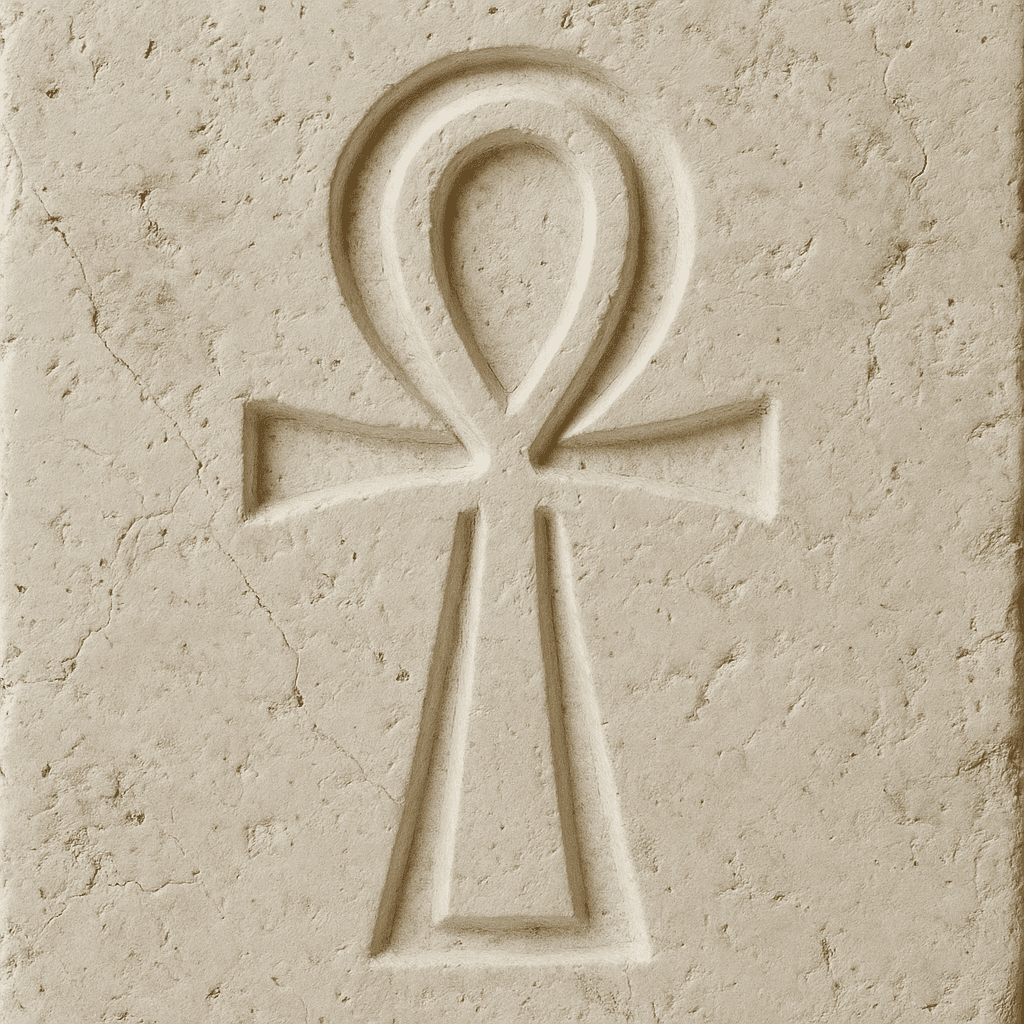
Starověký egyptský Ankh symbol v akvarelové technice, inspirovaný kulturou a tradicemi starověkého Egypta, ideální pro tvorbu šperků, dekorací a uměleckých projektů.
Ankh: The Key that Unlocks Life
Imagine a key. But not the one that opens your grandma’s pantry full of jam jars.
This key is older than all those jars together, older than your great-grandmother, older than the Sunday stories whispered at family lunches. It’s called the Ankh – and it’s not just an ornament. It’s a symbol that connected humans with gods, pharaohs with eternity, and death with rebirth.
The “Egyptian cross of life” became an icon of immortality. Simple in shape, infinite in meaning.
Table of Contents
History of the Ankh in Ancient Egypt
Origin and First Mentions
The earliest depictions come from the Old Kingdom (around 2500 BCE). Already then it appeared in the hands of gods, presented to rulers.
Archaeologists have found it carved on amulets, reliefs, and wall paintings. It was often placed in tombs as the key to the afterlife.
Meaning in Religion and Mythology
For the Egyptians, the cross of life was more than an ornament. It was a sign of:
- life on Earth,
- eternal life after death,
- and the divine breath flowing between worlds.
On wall paintings we often see gods placing the Ankh at the mouth of a pharaoh. It wasn’t a kiss – it was an act of giving life energy, ka, that guaranteed existence even after death.
The Ankh and the Gods (Ra, Isis, Osiris)
- Ra, the sun god – held it like a beam of light. The sun was the source of all vitality, and this sign was its mark.
- Isis, goddess of magic and fertility – connected it with motherhood, birth, and protective spells.
- Osiris, ruler of the underworld – used the symbol to remind mortals that death is not an end, but a transformation.
Shape and Hidden Symbolism
Linguistic Roots
The word “ankh” in Egyptian meant to live. Not a coincidence – language and symbol merged.
Shape Interpretation
The shape of the amulet of eternity has multiple layers:
- circle/oval at the top – feminine principle, the sun, eternity.
- vertical line – the world axis, life energy.
- horizontal line – connection of earth and sky, male and female principles.
👡 The Ankh as a Sandal into Eternity
You may be surprised that one of the most sacred symbols of ancient Egypt may have originated from something as ordinary as a… sandal. Yes, really.
One theory says the Ankh resembles a sandal strap:
- top oval = loop you pull the sandal on with,
- vertical part = the strap going down,
- horizontal part = the connector across the instep.
The Egyptians were masters of symbolism. Even an everyday object could become a metaphor for life. And since life is a journey, the Ankh becomes the key to walking through it – from cradle to afterlife.
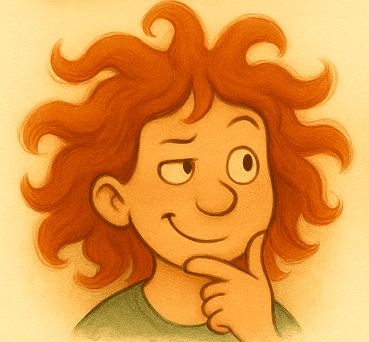
Lola says:
“Well, I always thought the Ankh was some cosmic remote control. Turns out it could be a sandal? Fine by me! At least it’ll walk you straight into eternity. Just don’t make it a stiletto – you’d never cross the desert in those.”
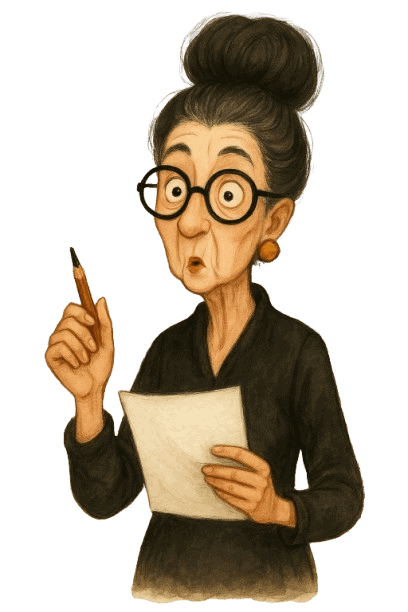
Grandma grumbles:
“Last time I wore sandals they were rubber and hurt like hell. If this is the key to eternity, it better come with proper insoles. Otherwise, keep it out of my kitchen.”
Comparison with Other Crosses and Symbols
The Ankh is not the only cross in world cultures:
- Christian cross – a later symbol of sacrifice and salvation. In early Egyptian Christianity (Coptic Church), the Ankh was often transformed into the Coptic cross.
- Celtic cross – a cross with a circle, symbolizing the sun and the cycle of life, similar to the oval of the Ankh.
- Tau cross (T) – a symbol linked to life, health, and protection.
The Ankh becomes a bridge between cultures – linking ancient Egypt, Christian tradition, and pagan symbols.
Symbolism Today
In Modern Egypt
Tourist shops are full of them, but it’s not just a souvenir. For Egyptians, the Ankh still carries the meaning of cultural identity – a reminder of heritage.
In Jewelry and Fashion
The crux ansata appears in every wave of fashion:
- gothic silver pendants,
- boho wooden beads,
- hipster wrist tattoos,
- luxury golden jewelry in high fashion.
In Subcultures
- Goth subculture – the sacred cross of Egypt became an icon of darkness and eternity. Popular since the 1980s thanks to bands like Bauhaus or films such as The Hunger (1983).
- Boho & spiritual scene – colorful, as a symbol of connection to the Earth and feminine energy.
- Esotericism & New Age – seen as a key to “higher vibrations.” Used in meditations and sometimes in energy rituals.
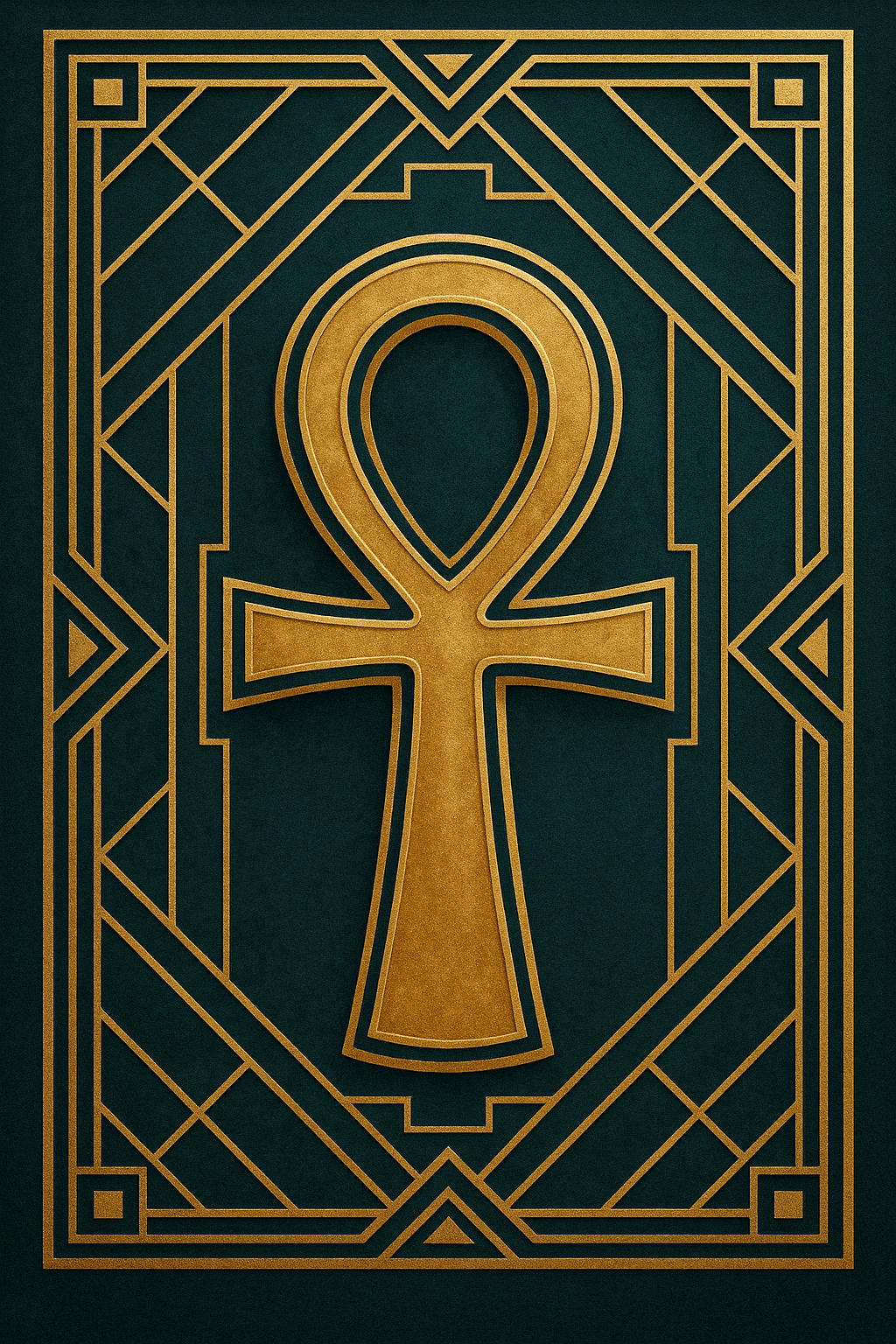
1001 Faces of the Key to Eternity – Gallery
In Art
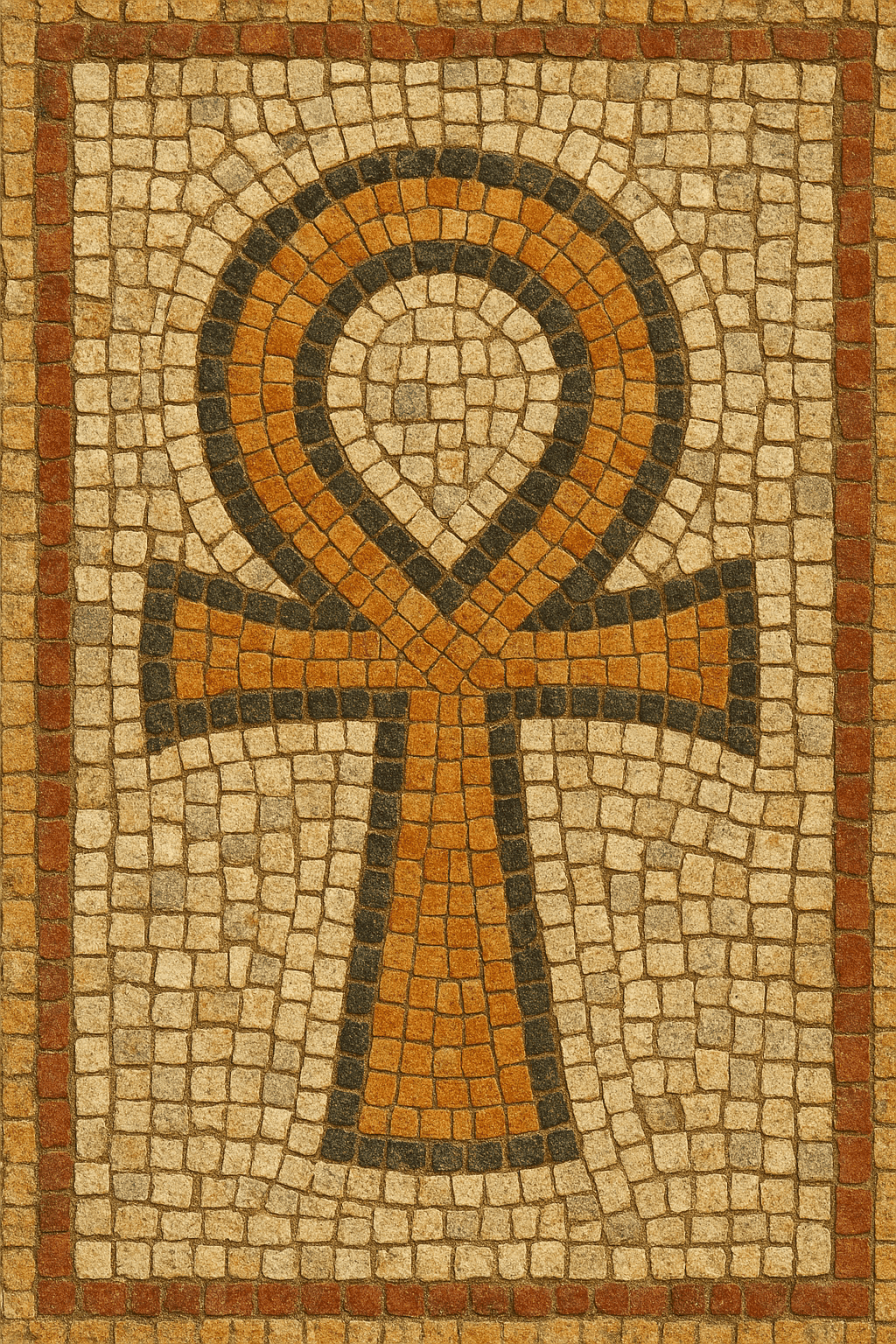
- Egyptian frescoes and reliefs – the classic source.
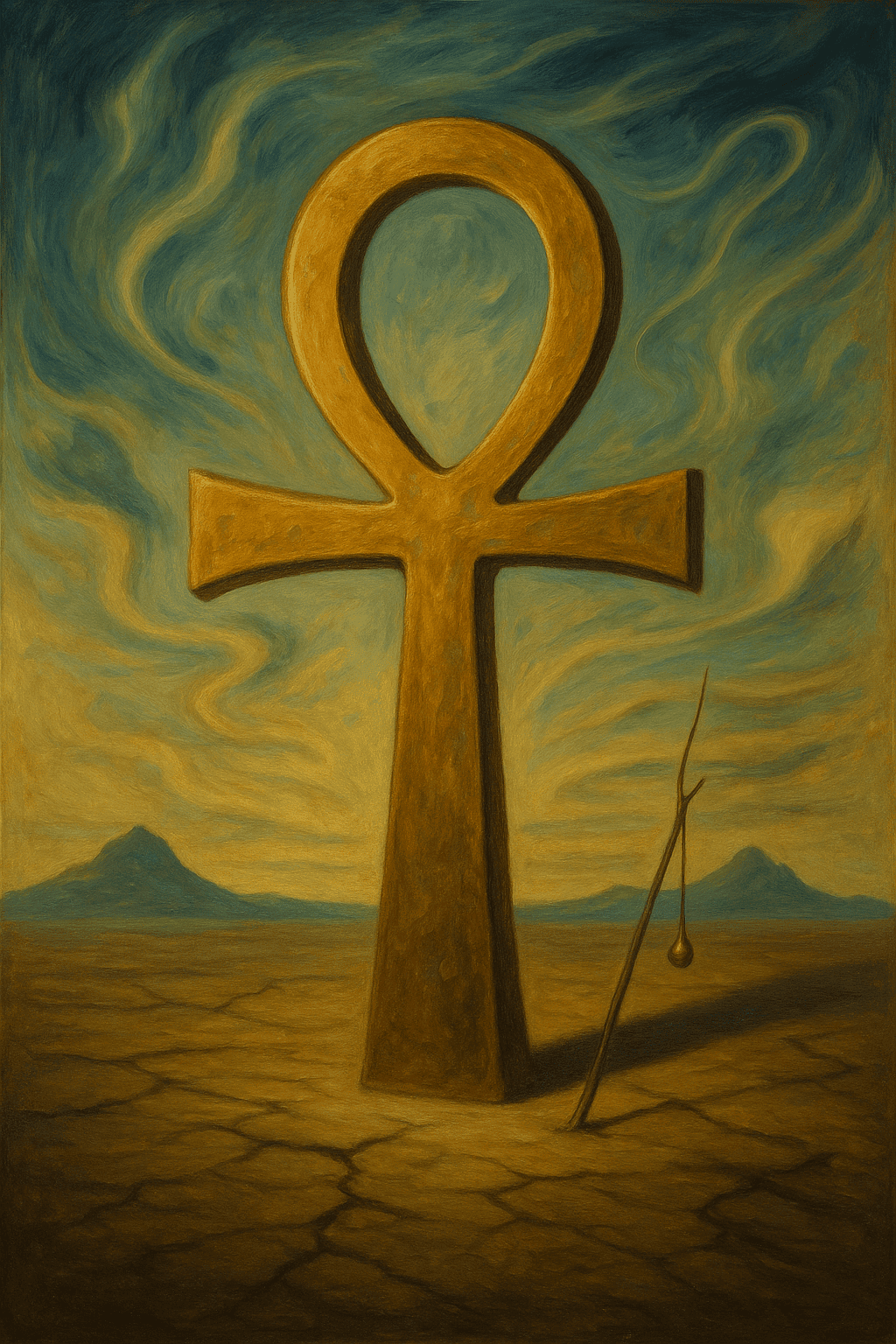
- Modern painters – Salvador Dalí, if he had painted the Ankh, would let it melt across the sands of the Sahara.
- Street art – in Berlin or New York, you’ll find Ankh graffiti on walls as a symbol of resistance and hope.
In Nature and Materials
Each material carries a different meaning:
- gold = divine power,
- wood = natural cycle,
- stone = permanence,
- obsidian = protection,
- ceramics = fragility of life.
Colors shift interpretation: black = protective, gold = royal, turquoise = life-giving (the Nile), red = energetic.
🎭 Crew Glosses
Lola says:
“The key of life is fine. Like a universal remote – only it doesn’t turn on the TV, but the universe. And that’s always handy!”

Grandma grumbles:
“Life, death, immortality… pfft. We always had garlic and a good stare. That Anana-whatever, I’d just hang it on the pantry door.”

Kazi (ginger cat):
“The symbol should be more ritual. And more about me. Why do all gods hold this sun key and not a cat? That’s discrimination.”
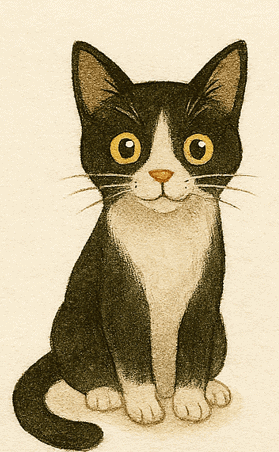
Teta (black-and-white cat):
Sits, stares, hypnotizes the symbol. If we could read her gaze, we’d already be enlightened.
📚 Bibliography
🇨🇿 Czech Sources
- Bombastus.cz – Anch: Egyptský kříž života
- MystickéŠperky.cz – Nilský kříž: Anch
- Wikipedie (cz) – Anch (nilský kříž)
- Národní muzeum – Starověký Egypt: symboly a amulety
- Britannica (cz) – Ankh: egyptský symbol života
- Kamenyzeme.cz – Egyptský kříž Ankh
🇬🇧 English Sources
- Andrews, C. (2001). Amulets of Ancient Egypt. University of Texas Press.
- Hornung, E. (1999). The Ancient Egyptian Books of the Afterlife. Cornell University Press.
- Wilkinson, R. H. (2003). The Complete Gods and Goddesses of Ancient Egypt. Thames & Hudson.
- Assmann, J. (2005). Death and Salvation in Ancient Egypt. Cornell University Press.
🇪🇸 Spanish Sources
If you’re curious about jewelry symbolism, check out more in the category Symbolism.
Or Jump on Another Wave:

Gothic Subculture: 7 Reasons Why Darkness Attracts Us More Than Light
The gothic subculture is more than black clothes: it’s empathy, support and creativity. From Bauhaus to Beadcore jewelry, discover a culture beyond darkness.

Beadcore Manifest: 10 Reasons Why Beadcore Is Changing the World of Jewelry
Beadcore isn’t a trend. It’s the DNA of humanity: beads as memory, soul and story. Discover the manifesto redefining jewelry and subcultures.
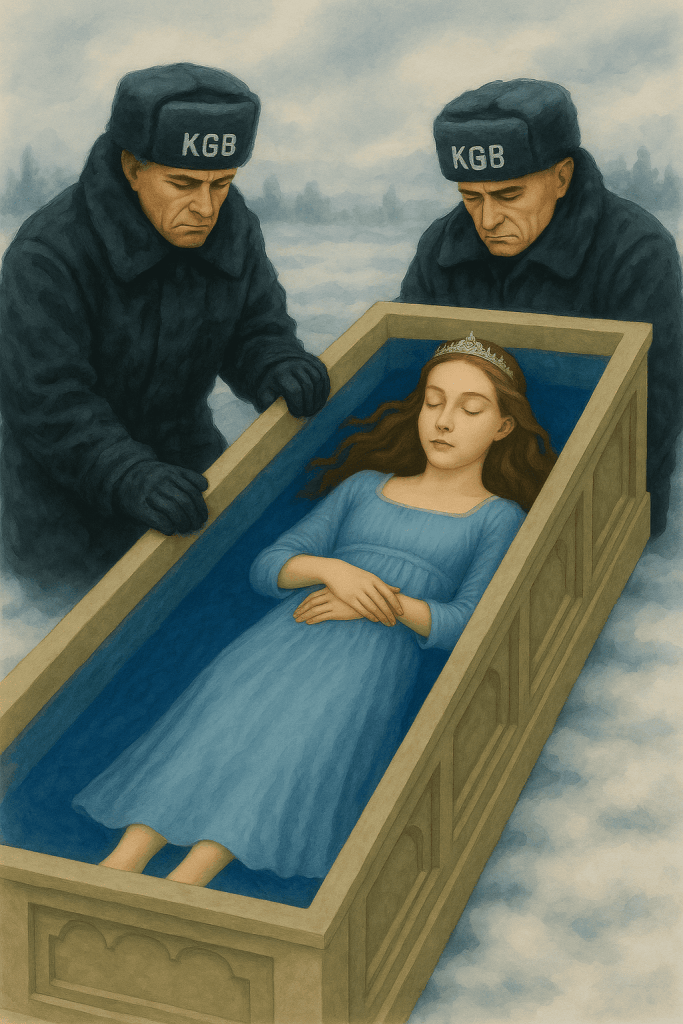
Princess Tisul: When a Beauty Queen Wakes Up from the Precambrian
A Siberian legend tells of Princess Tisul, a beauty said to have slept for 800 million years in a marble sarcophagus filled with mysterious liquid. Myth, conspiracy, or fairytale? In Lola Tralala’s style, this story becomes a sparkling mix of mystery, absurdity, and cultural imagination.
Discover more from Bead Culture
Subscribe to get the latest posts sent to your email.